
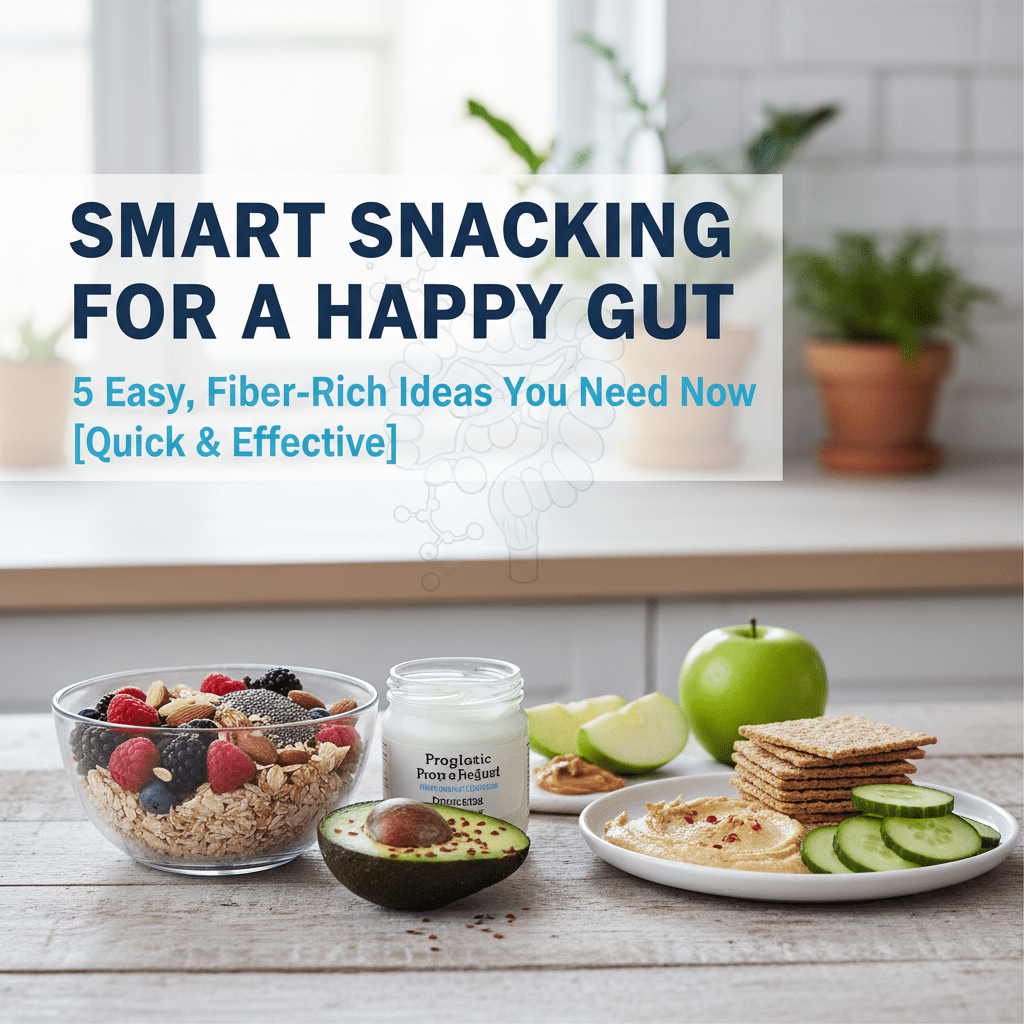
Smart Snacking for a Happy Gut: 5 Easy, Fiber-Rich Ideas You Need Now [Quick & Effective]
Did you know that 70% of your immune system lives in your gut? Yet, if you are like the vast majority of people, you probably aren’t feeding it the one thing it craves most. We often focus on Vitamin C or zinc when we feel run down, but the real headquarters of our health—and our mood—is located in the microbiome.
According to UCLA Health, the gut is the primary gatekeeper of your immune response. When your gut bacteria are happy, you feel energetic, lighter, and mentally sharp. When they are starving, you experience bloating, sluggishness, and brain fog.
In my years of exploring nutrition science, I’ve noticed a recurring pattern: people overcomplicate gut health. They buy expensive probiotic supplements (which often die before reaching the colon) but ignore the “fertilizer” that makes those good bacteria grow. That fertilizer is fiber.
Stop guessing. Here are 5 scientifically-backed “Smart Pairs” that boost fiber, fuel good bacteria, and taste delicious—ready in under 5 minutes.
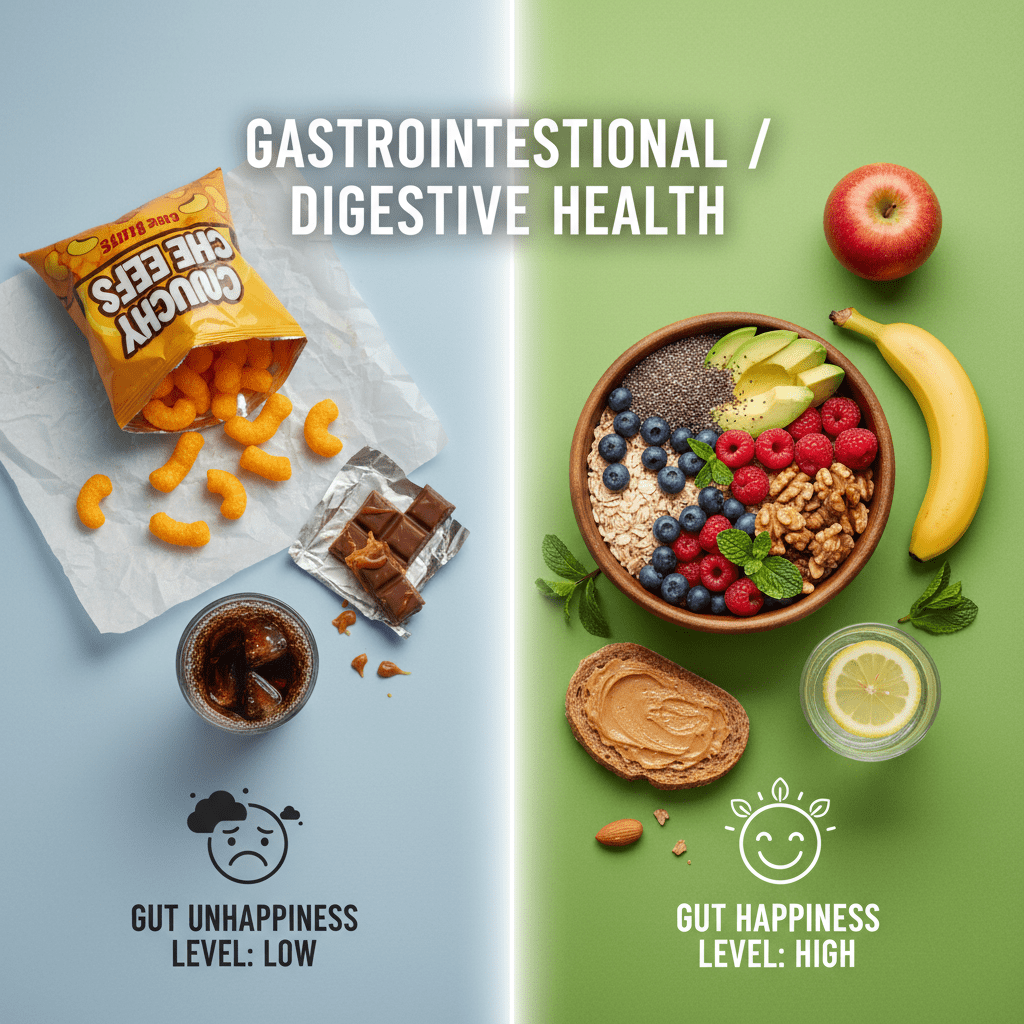
The Science of a “Happy Gut”: Why Fiber Matters (More Than You Think)
Before we dive into the recipes, it is crucial to understand why we are doing this. Most people view fiber as purely mechanical—like a broom sweeping through your digestive tract. While that is true, recent research reveals it is so much more.
The Fiber Gap: A National Deficit
We are facing a silent health crisis. According to data from the National Institutes of Health (NIH) and USDA, an estimated 95% of American adults do not consume the recommended amounts of fiber. The targets are roughly 25g for women and 38g for men per day, yet the average intake hovers around 15g.
This “fiber gap” means our gut bacteria are literally starving. When they starve, they can start eating the mucus lining of your gut, leading to inflammation and “leaky gut” issues.
The Magic Mechanism: Short-Chain Fatty Acids (SCFAs)
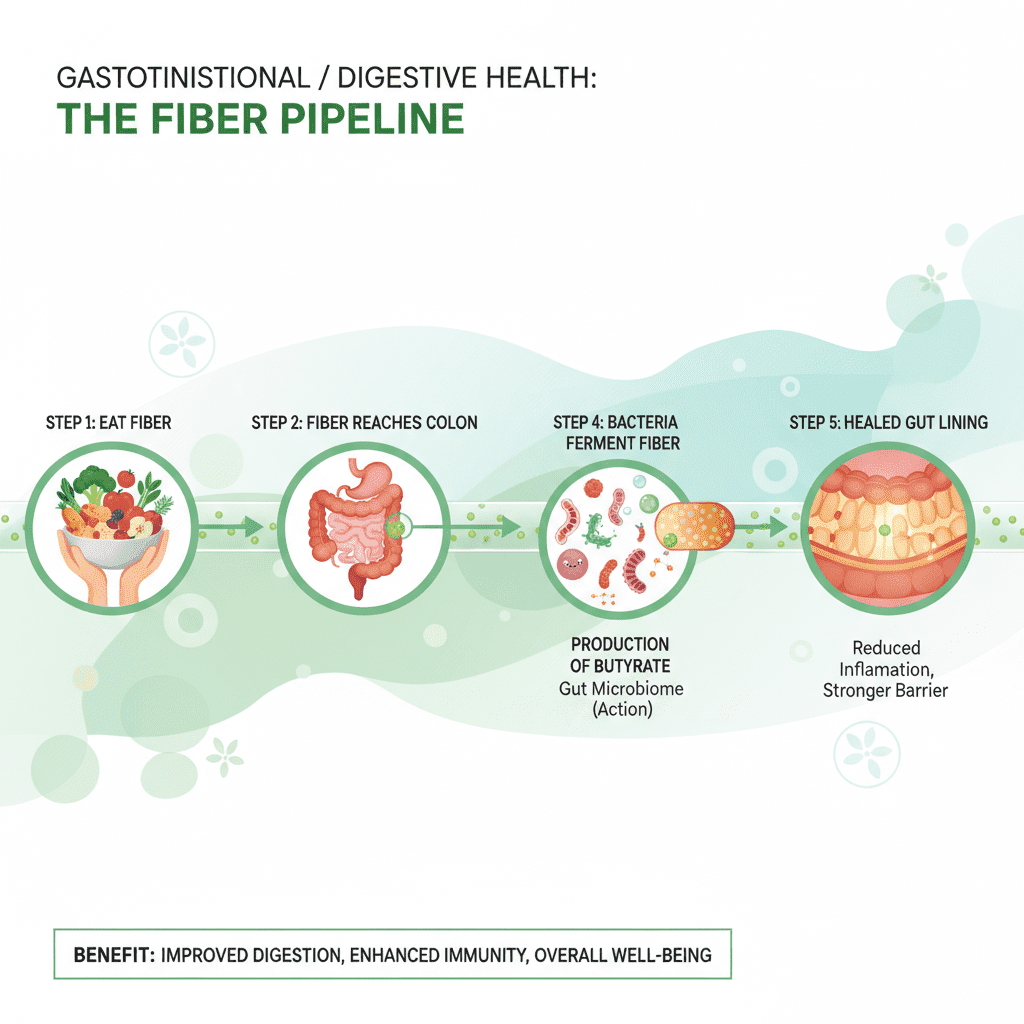
Here is the science that changed my perspective entirely. When you eat specific types of fiber (prebiotics), your body cannot digest them. Instead, they travel to your lower colon, where your microbiome ferments them.
This fermentation process produces Short-Chain Fatty Acids (SCFAs), specifically one called butyrate. According to a 2024 review in Nature Metabolism, these byproducts can actually alter gene expression to prevent tumor growth and significantly reduce inflammation.
Think of it this way: Fiber isn’t just waste; it is the raw material your body uses to manufacture its own medicine.
Prebiotics vs. Probiotics vs. Synbiotics
You’ve likely heard these terms thrown around, but let’s clarify them because this distinction is the secret sauce of our snack list.
- Probiotics: The live bacteria (the seeds). Found in yogurt, kefir, kimchi.
- Prebiotics: The fiber that feeds the bacteria (the fertilizer). Found in onions, garlic, bananas, asparagus, and oats.
- Synbiotics: The combination of both in one meal.
The snacks below focus heavily on Synbiotic pairings and high-quality prebiotics to maximize that SCFA production.
5 Smart, Fiber-Rich Snack Ideas (The “Gut-Happy” List)
Forget dry bran muffins. These snacks are designed for the modern palate—quick, savory or sweet, and incredibly nutrient-dense.
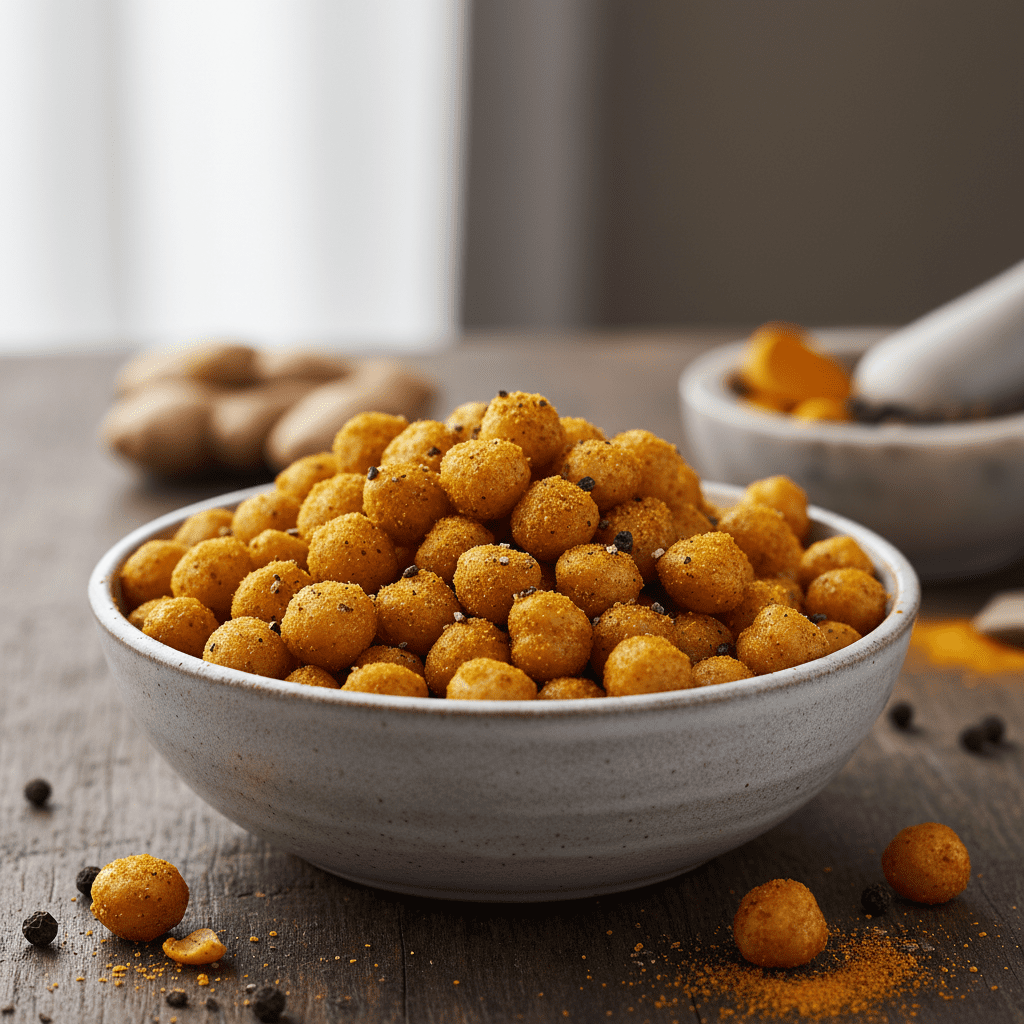
1. The “Prebiotic Powerhouse”: Roasted Chickpeas
If you crave chips or salty crunch, this is your swap. Chickpeas are legumes rich in resistant starch—a type of fiber that functions as a powerful prebiotic.
Ingredients:
- 1 can organic chickpeas (rinsed and patted VERY dry)
- 1 tbsp olive oil
- 1/2 tsp turmeric (anti-inflammatory boost)
- Black pepper (activates the turmeric)
Instructions: Toss chickpeas in oil and spices. Air fry at 390°F for 12-15 minutes or roast in the oven at 400°F for 20-30 minutes until crispy.
Fiber Count: ~6-7g per 1/2 cup serving.
Why it works: Beyond the fiber, the addition of turmeric adds an anti-inflammatory layer. I’ve found that using canned chickpeas makes this incredibly fast, but the secret is drying them thoroughly before roasting; otherwise, they steam instead of crisp.
2. The “Synbiotic Super-Pair”: Greek Yogurt + Raspberries
This is the classic example of a “Synbiotic” snack. You are combining the probiotics found in fermented yogurt with the specific fiber found in berries.
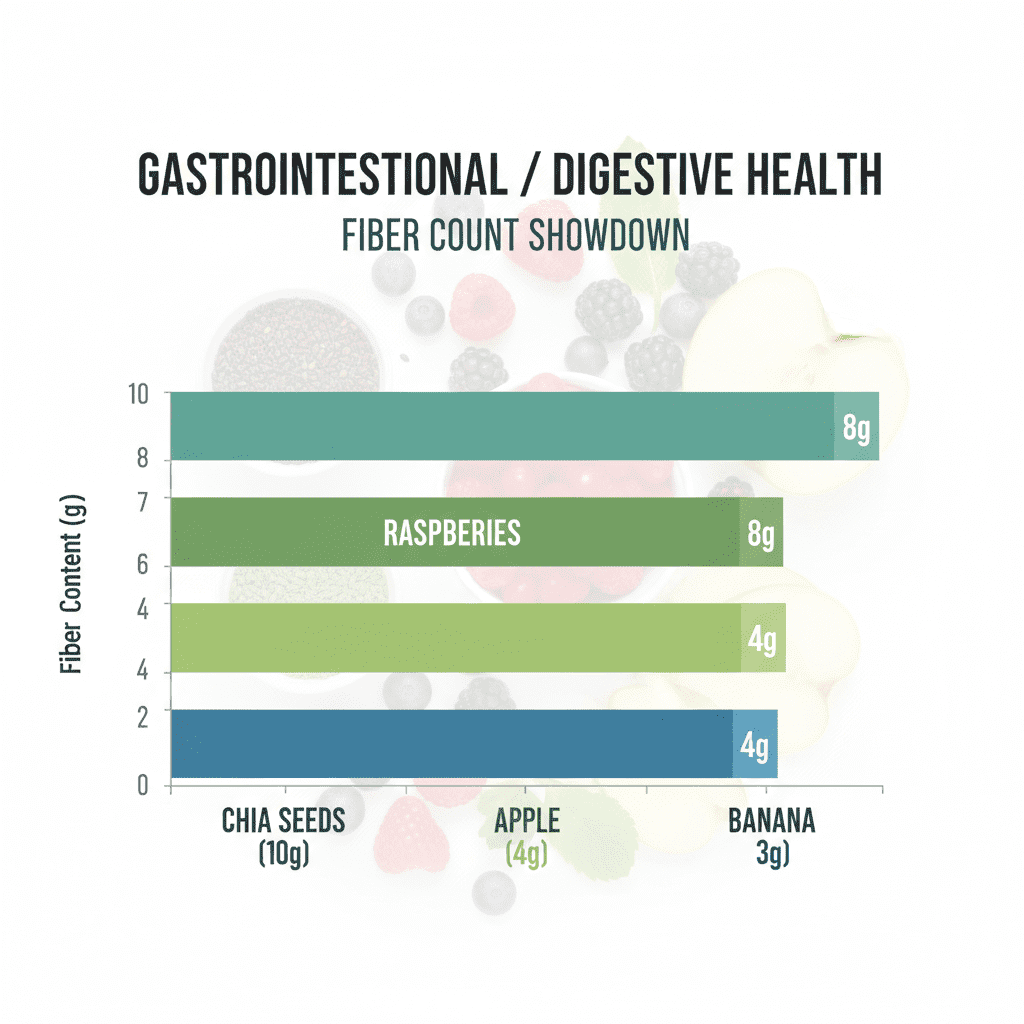
Many people reach for bananas, but here is a fact that might surprise you: Raspberries are the fiber champions of the fruit aisle. A Mayo Clinic report highlights that one cup of raspberries contains a whopping 8 grams of fiber, compared to just 3 grams in a banana.
Ingredients:
- 1 cup plain Greek Yogurt (Look for “Live Active Cultures” on the label)
- 1/2 cup fresh or frozen raspberries
- 1 tsp flaxseeds (optional for extra Omega-3)
Why your gut loves it: The Lactobacillus bacteria in the yogurt survive better when consumed with the fiber from the berries, ensuring they reach your colon intact.
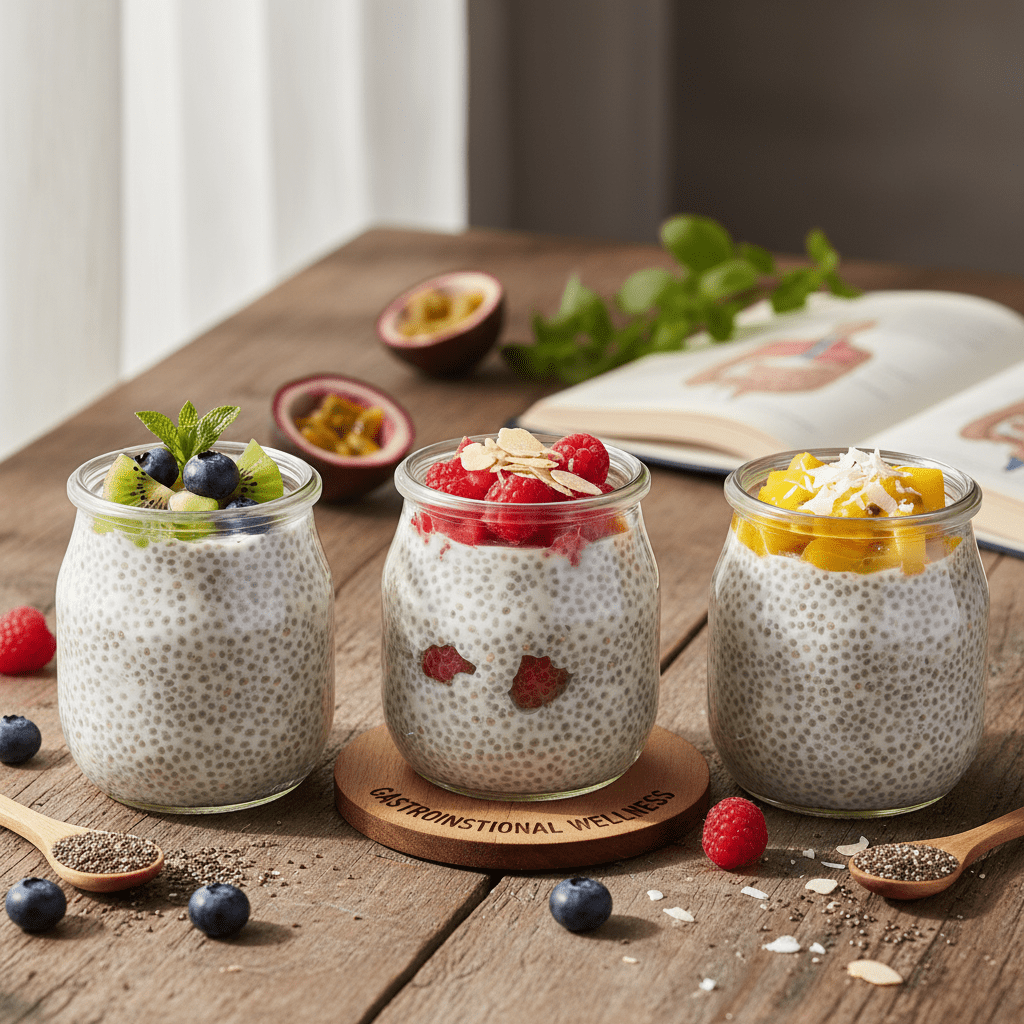
3. The “Omega-Fiber Fusion”: Chia Seed Pudding
Chia seeds are fascinating. When you mix them with liquid, they form a gel called mucilage. While it looks a bit like slime, this gel is incredibly soothing for the gut lining. It acts almost like a balm as it moves through your digestive tract.
Just two tablespoons of chia seeds contain about 10 grams of fiber. That is nearly 40% of a woman’s daily requirement in a tiny serving.
Ingredients:
- 2 tbsp chia seeds
- 1/2 cup almond milk or oat milk
- Drop of vanilla extract
Instructions: Mix well in a small jar. Let it sit for at least 20 minutes (or overnight). The seeds will expand and absorb the liquid.
Personal Experience: The first time I tried chia pudding, I hated the texture. If you are like me, try blending the mixture before letting it set. It creates a smooth, mousse-like consistency that is much more palatable.
4. The “Green Gut” Protector: Avocado on Whole Grain Cracker
We often forget that healthy fats are essential for the absorption of fat-soluble vitamins (A, D, E, K). Avocado provides these monounsaturated fats alongside a surprisingly high fiber content—about 6-7g per half avocado.
Pairing this with a high-fiber, whole-grain cracker (look for ingredients like rye or seeds, not refined flour) creates a snack that stabilizes blood sugar and keeps you full for hours.
5. The “On-The-Go” Fix: Edamame (In Pods)
Sometimes you need a snack you can toss in a bag. Edamame (young soybeans) are unique because they are a complete protein containing all nine essential amino acids, plus they are rich in insoluble fiber.
Insoluble fiber adds bulk to the stool and helps food pass more quickly through the stomach and intestines. If you struggle with sluggish digestion or constipation, insoluble fiber is your best friend.
Fiber Count: A cup of edamame in pods yields about 4-6g of fiber.
How to Increase Fiber Without the Bloat
This is the most common question I get: “I started eating more fiber, but now I feel bloated and gassy. What did I do wrong?”
The answer usually isn’t what you ate, but how fast you changed your diet. According to Angela Poole, PhD from Cornell University, whose work on precision nutrition was published in Gut Microbes in 2024, individual microbiomes react differently to fiber loads.
The “Start Low, Go Slow” Rule
If you currently eat 10g of fiber a day and suddenly jump to 30g, your gut bacteria will go into a feeding frenzy, producing excess gas as a byproduct. To avoid this:
- Add just one of these snacks per day for the first week.
- Increase your intake by about 5g per week.
- Give your microbiome time to adapt.
Hydration is Key: The Sponge Analogy
Think of fiber like a dry sponge. If you put a dry sponge in a pipe, it gets stuck. If you soak that sponge in water, it glides right through. Soluble fiber needs water to form that soothing gel. If you eat high fiber without drinking enough water, you can actually cause constipation.
The Rule: For every 5 grams of fiber you add to your diet, add an extra glass of water.
FAQ: Your Gut Health Questions Answered
Is fiber good for IBS?
This is tricky. For some with IBS (Irritable Bowel Syndrome), certain fibers (FODMAPs) can trigger symptoms. However, soluble fiber is generally well-tolerated. If you have IBS, stick to the Chia Pudding or Roasted Chickpeas (in moderation) and avoid high-FODMAP foods like onions or garlic until you know your triggers.
Can I take a supplement instead?
While psyllium husk supplements are effective, I always advocate for a “food first” approach. Whole foods provide vitamins, minerals, and antioxidants that supplements lack. As mentioned in Mayo Clinic guidelines, whole foods ensure you get a variety of fiber types (soluble, insoluble, resistant starch) which leads to a more diverse microbiome.
Do high fiber snacks help with weight loss?
Absolutely. Fiber increases satiety (the feeling of fullness). By snacking on fiber-rich foods, you are less likely to overeat at your next meal. The chewing required for fibrous foods also signals your brain that you are eating, giving your satiety hormones time to kick in.
Conclusion: Consistency Over Perfection
Improving your gut health doesn’t require a complete pantry overhaul overnight. It starts with simple, consistent choices. The digestive health market may be valued at over $51.8 Billion (according to IMARC Group), but you don’t need expensive powders or subscriptions to fix your gut.
You just need to feed the good guys.
My challenge to you: Pick one of the snacks listed above. Buy the ingredients tomorrow. Try it for three days. Pay attention to how your energy levels stabilize and how your digestion feels.
Your gut microbiome is resilient; it changes quickly based on what you feed it. Make your next snack count.
Disclaimer: This article is for informational purposes only and does not constitute medical advice. Always consult with a healthcare professional before making significant changes to your diet, especially if you have chronic digestive issues.