
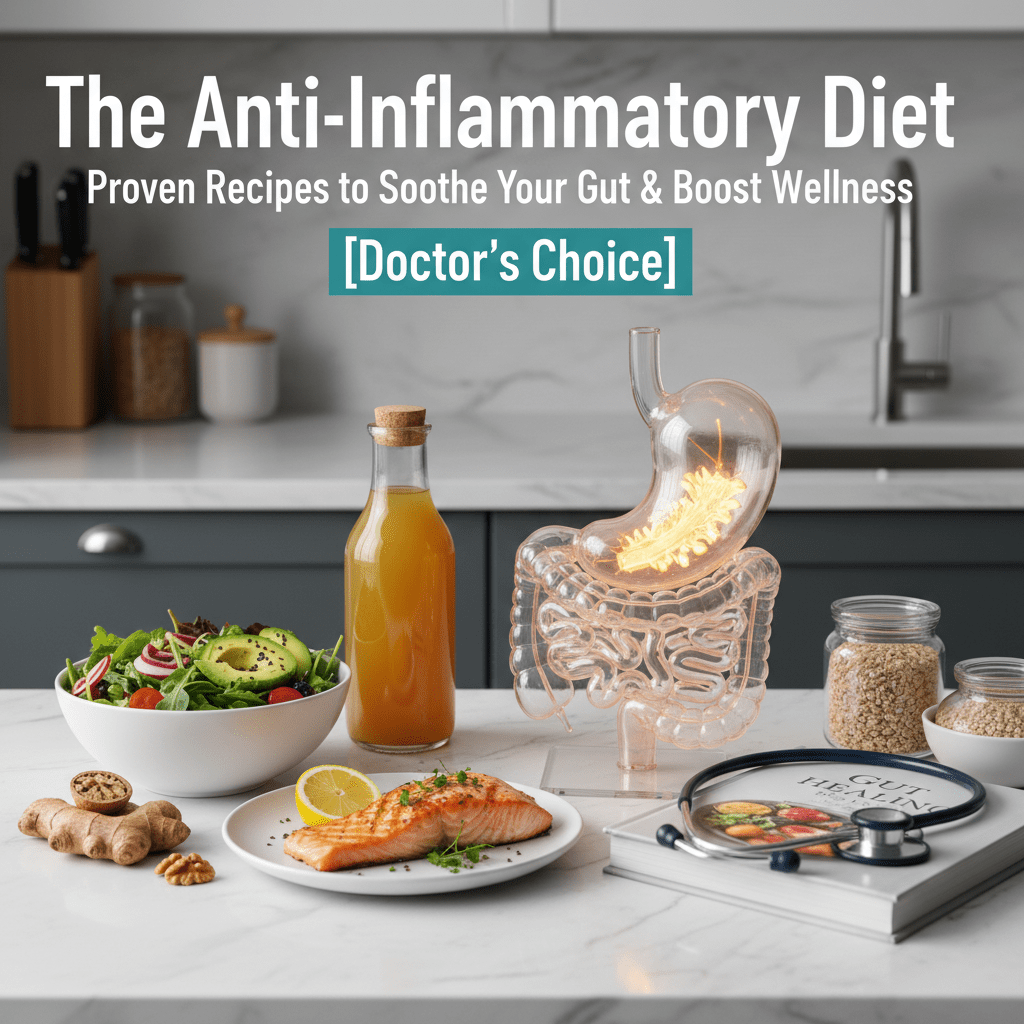
The Anti-Inflammatory Diet: Proven Recipes to Soothe Your Gut & Boost Wellness [Doctor’s Choice]
Do you ever wake up feeling like you’re wearing a lead suit? Your joints ache, your brain is foggy, and your stomach feels like an inflated balloon. Dr. Mark Hyman, a leader in Functional Medicine, calls this “FLC Syndrome” (Feel Like Crap Syndrome). It’s not in your head—it’s in your gut.
In my experience working with nutritional therapy, I’ve seen countless people try to “eat healthy” by grabbing generic salads, only to end up more bloated than before. Why? Because they aren’t eating for their microbiome.
This isn’t just another list of “healthy meals.” These are anti-inflammatory diet recipes specifically engineered to lower C-Reactive Protein (CRP) levels, seal a leaky gut, and stimulate the Vagus nerve. We are moving beyond simple “fiber” and diving into the new frontier of gut health: fermentation and polyphenols.
According to a 2025 Market.us Report, the global anti-inflammatory diet market is expected to reach $217.7 billion by 2034. Why? Because people are finally realizing that pills treat symptoms, but food treats the root cause.
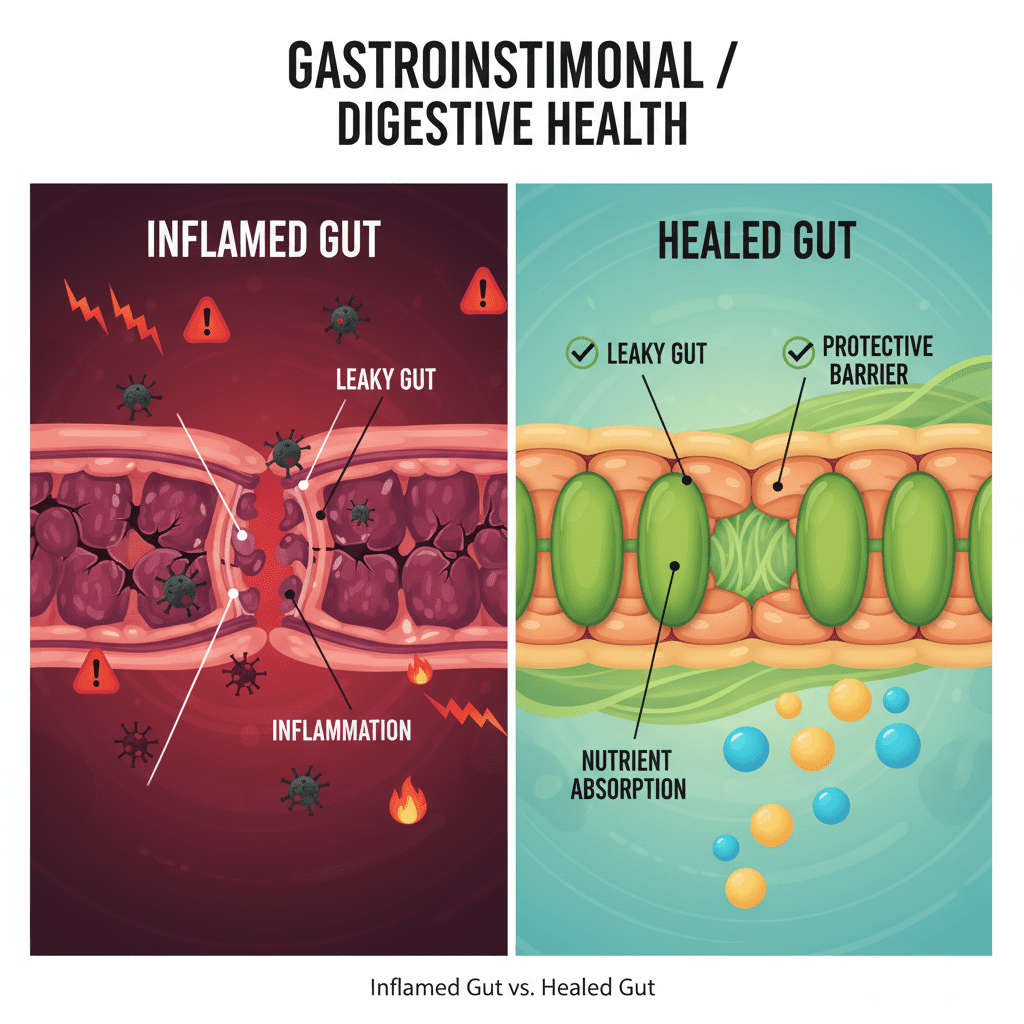
The Science: Why Your Gut Needs “Living” Food
For years, we were told that fiber was the holy grail of gut health. While fiber is critical, recent breakthroughs have shifted the paradigm.
The Stanford Study Revelation (2021/2024)
If there is one study that changed how I approach meal planning, it’s this one. Researchers at the Stanford School of Medicine conducted a clinical trial comparing a high-fiber diet against a high-fermented-food diet.
The results were stunning. According to Stanford Medicine, a diet high in fermented foods increases microbiome diversity and decreases 19 inflammatory markers, including Interleukin-6 (IL-6), more effectively than a high-fiber diet alone. Dr. Justin Sonnenburg, a microbiologist at Stanford, noted, “This provides one of the first examples of how a simple change in diet can reproducibly remodel the microbiota across a cohort of healthy adults.”
The Polyphenol Connection
You’ll notice many recipes below feature deep purples, oranges, and greens. These colors represent polyphenols. These compounds feed a specific bacteria called Akkermansia muciniphila, which plays a critical role in maintaining the thickness of your gut lining, preventing “leaky gut.”
Doctor-Approved Anti-Inflammatory Breakfasts
Breakfast sets the metabolic tone for the day. Avoid the sugar spike of pastries, which triggers immediate inflammation.
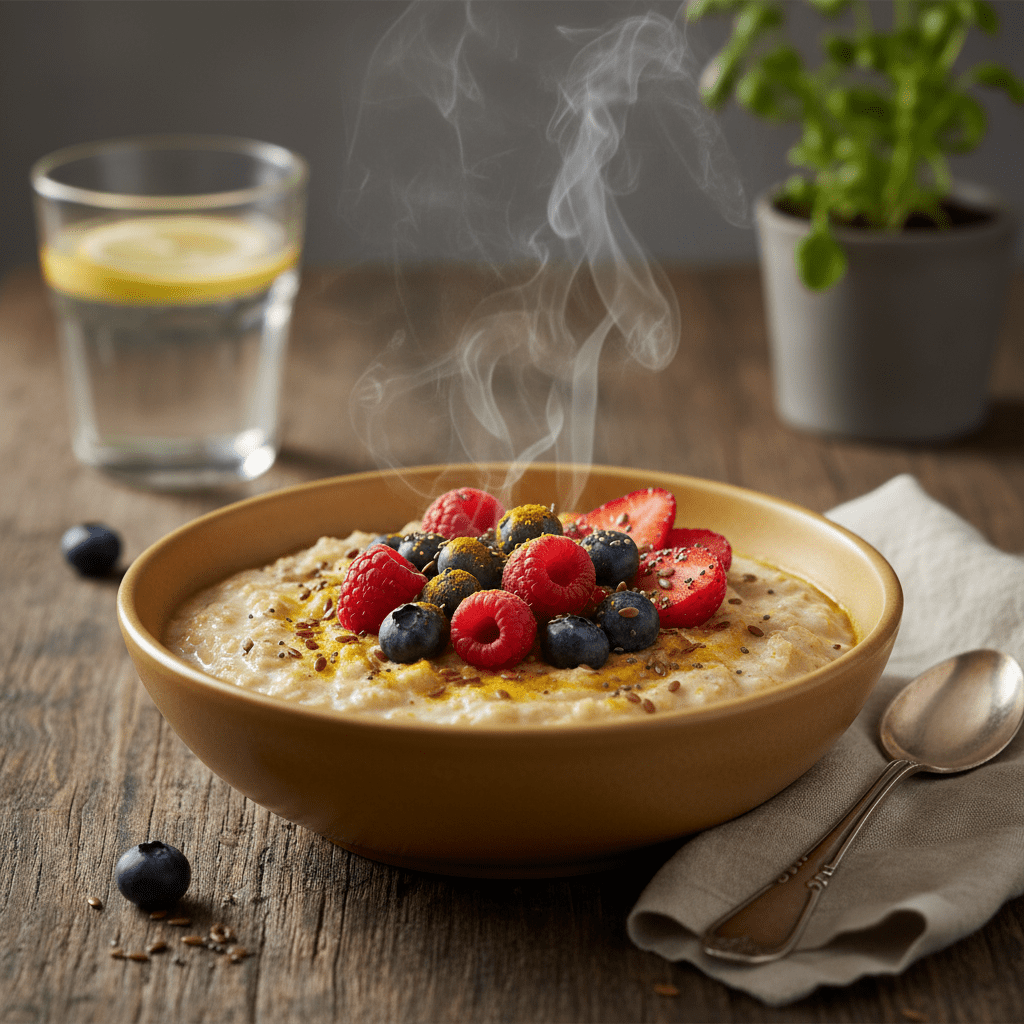
⏱ 15 Minutes
Why it works: This isn’t just oatmeal; it’s a delivery system for curcumin. We add black pepper to boost the absorption of the anti-inflammatory compound in turmeric by up to 2000%.
Ingredients:
- 1/2 cup steel-cut oats (lower glycemic index than rolled)
- 1 cup unsweetened almond milk or water
- 1 tsp ground turmeric
- 1/4 tsp ground ginger
- Secret Weapon: 1 pinch freshly ground black pepper
- 1 tbsp walnuts (Omega-3s)
Instructions: Simmer oats with spices until tender. Top with walnuts. If you need sweetness, use a small amount of raw honey, which has enzymatic properties.
⏱ 5 Mins + Chill
Why it works: This hits the “Stanford Protocol” hard. Kefir is a fermented powerhouse, containing far more probiotic strains than standard yogurt.
Ingredients:
- 1 cup plain Kefir (goat milk kefir is easier to digest for some)
- 3 tbsp Chia seeds (massive fiber boost)
- 1/2 tsp vanilla extract
- 1/2 cup blueberries (polyphenols)
Instructions: Mix kefir, chia, and vanilla in a jar. Let it sit overnight or for at least 4 hours. The chia seeds expand, creating a gel that sweeps the intestines clean.
⏱ 10 Minutes
Why it works: According to a study published in Nutrients (April 2025) using data from the UK Biobank, higher plant protein intake is linked with significantly less inflammation compared to animal protein. This mimics the texture of eggs without the potential reactivity some people have to egg whites.
Ingredients:
- 1 block firm tofu, crumbled
- 2 cups fresh spinach
- 1 tbsp nutritional yeast (for cheesy flavor + B vitamins)
- 1/2 tsp turmeric
Lunch: “Beat the Bloat” Recipes
Lunch needs to be energizing, not inducing a “food coma.” We focus here on avoiding industrial seed oils (like soybean or canola), which Dr. Mark Hyman identifies as a major driver of “FLC Syndrome.”
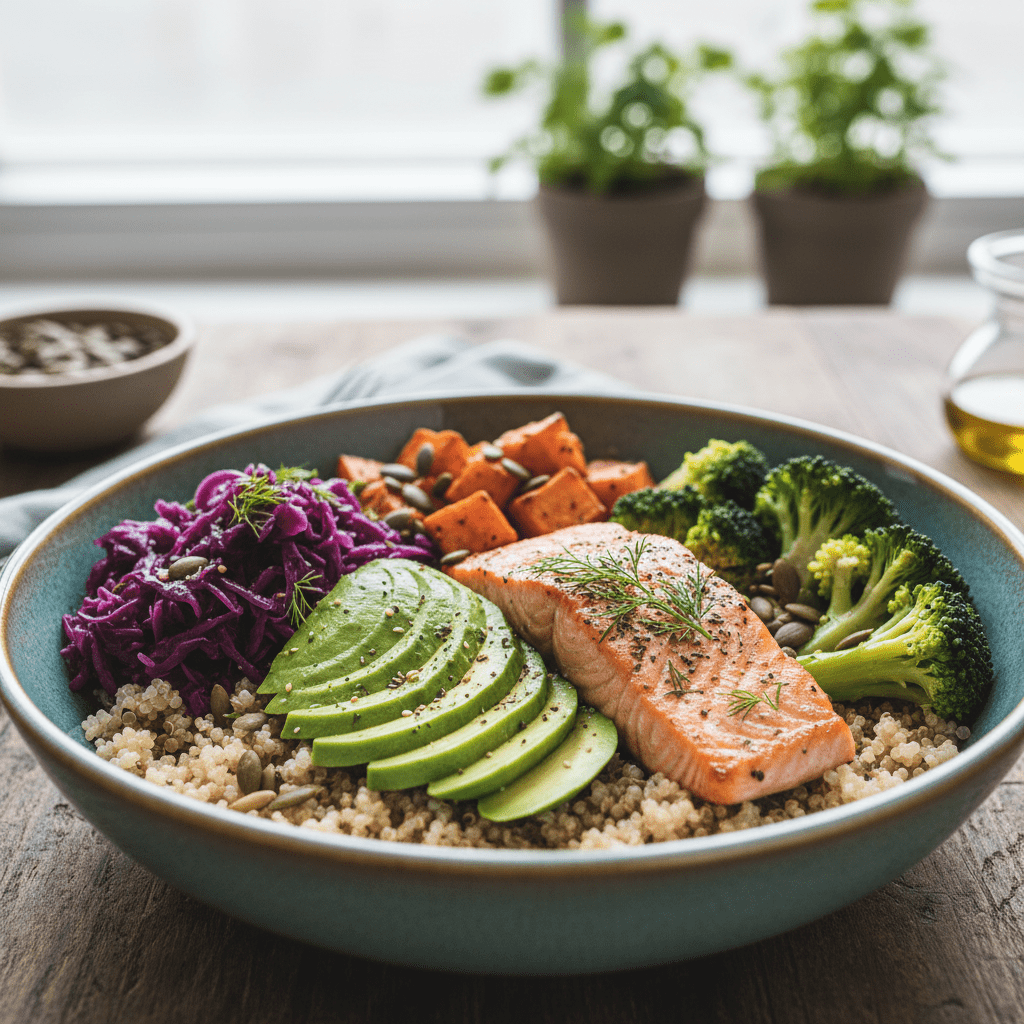
⏱ 20 Minutes
The Science Hack: This recipe uses cooked and cooled sweet potatoes. The cooling process turns the starch into “resistant starch,” which bypasses digestion and feeds your gut bacteria directly, producing butyrate (a healing fatty acid).
Ingredients:
- 1/2 cup Quinoa (cooked)
- 1 Sweet Potato (roasted, then cooled)
- 2 tbsp Sauerkraut (raw, living culture)
- Pumpkin seeds
- Dressing: Extra Virgin Olive Oil + Lemon Juice
⏱ 5 Minutes
Why it works: We use wild salmon or sardines here. According to Dr. Saurabh Sethi, a Harvard and Stanford-trained gastroenterologist, fatty fish is one of the top foods to reduce visceral fat—the dangerous fat wrapped around your organs that pumps out inflammatory chemicals.
Ingredients:
- 1 can wild-caught salmon or sardines (bones in for calcium)
- 1/2 Avocado (mashed)
- 1 tbsp Avocado oil mayonnaise (avoiding soybean oil mayo)
- Serve over arugula or in lettuce cups
Dinner: Deep Healing & Restoration
Dinner is the time to provide your body with the building blocks it needs to repair tissue while you sleep.
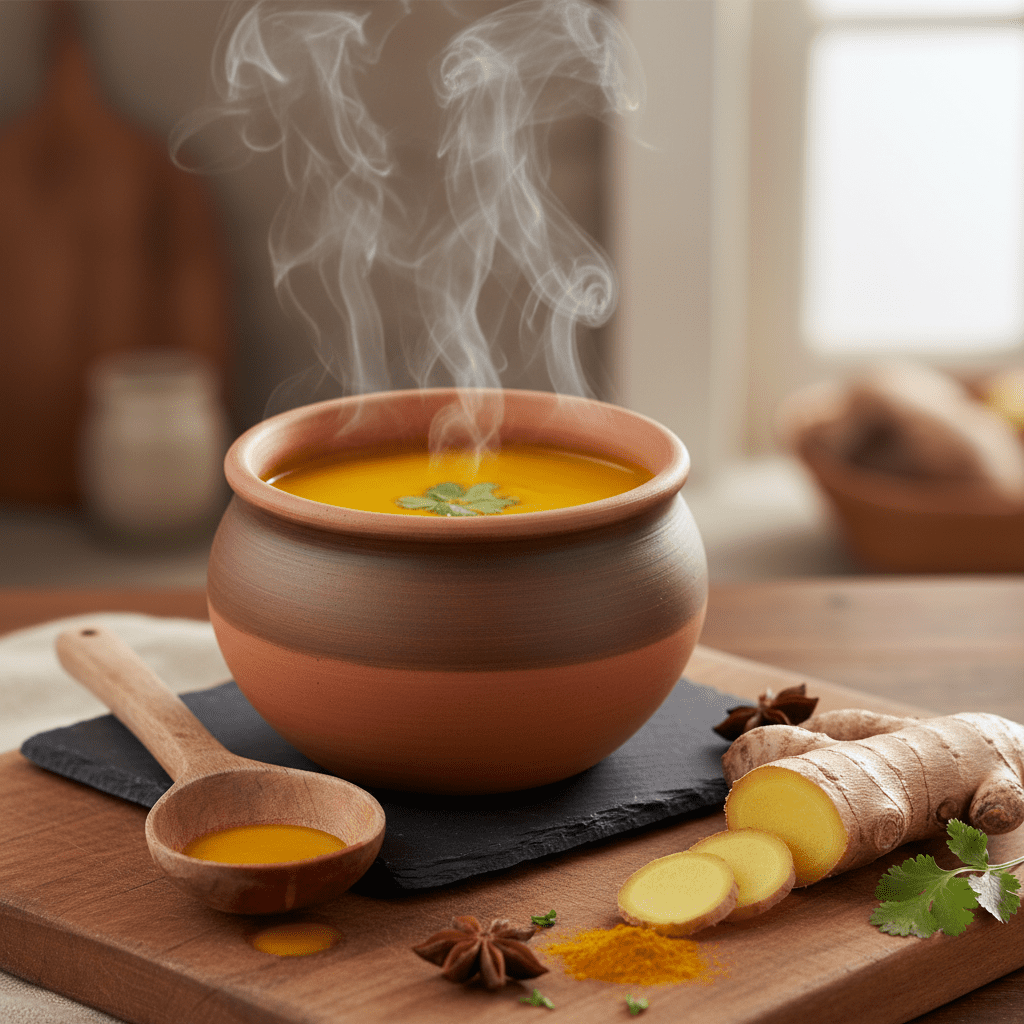
⏱ 40 Minutes
Why it works: Ginger acts as a prokinetic, meaning it helps food move through your GI tract efficiently. This prevents food from sitting in the small intestine too long, which can contribute to bacterial overgrowth (SIBO).
Ingredients:
- 4 cups Bone Broth (collagen for gut lining)
- 2 inch knob of fresh Ginger, grated
- 1 tbsp fresh Turmeric, grated
- 2 Carrots, chopped
- 1 cup shredded chicken
- 1 cup Bok Choy (added at the end)
Instructions: Simmer broth, ginger, turmeric, and carrots until soft. Add chicken and bok choy for the last 3 minutes to keep the greens vibrant.
⏱ 20 Minutes
Why it works: Miso is fermented soy. It provides postbiotics—beneficial compounds created during fermentation. Note: Do not boil the miso, or you kill the probiotics.
Ingredients:
- 2 Wild Salmon fillets
- 1 tbsp Miso paste (white or red)
- 1 tsp Sesame oil
- 1 tsp Rice vinegar
Instructions: Mix miso, oil, and vinegar. Brush over salmon. Bake at 400°F (200°C) for 12-15 minutes. Serve with steamed broccoli.
The “Fermented 6” Challenge
Based on the Stanford research, I challenge my clients to incorporate 6 servings of fermented foods into their daily diet. It sounds like a lot, but a “serving” can be small.
Can you check these off today?
- ✅ 1/4 cup Kimchi with eggs
- ✅ 1 cup Kefir smoothie
- ✅ 1 tbsp Miso in soup
- ✅ 2 tbsp Sauerkraut with lunch
- ✅ 1/2 cup Greek Yogurt (unsweetened)
- ✅ 4oz Kombucha (low sugar)
Foods to Avoid: The “Inflammation Triggers”
You can eat all the turmeric in the world, but if you are constantly fueling the fire with inflammatory foods, you won’t heal. In my opinion, these are the non-negotiables to remove for at least 30 days.
The “Dirty Three”
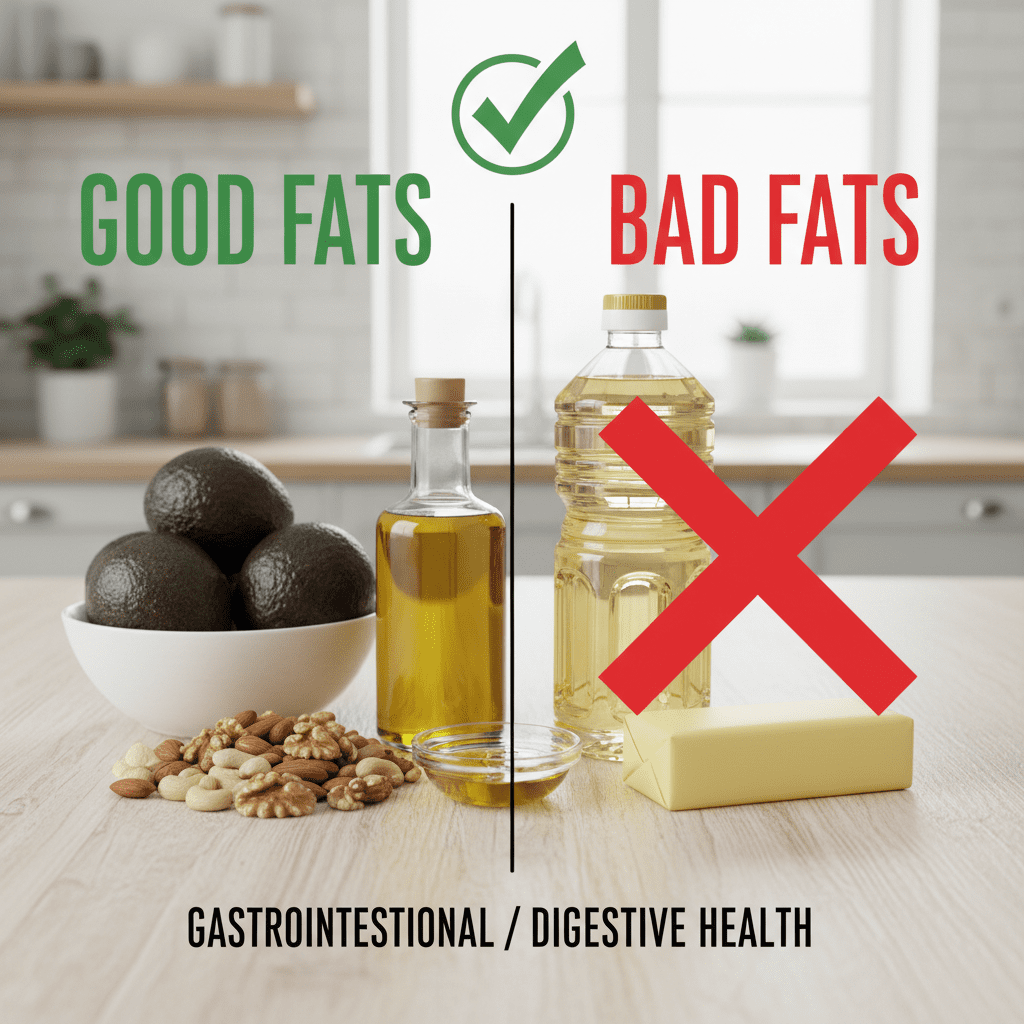
- Industrial Seed Oils: Soybean, corn, canola, and cottonseed oils are high in Omega-6 fatty acids. While we need some Omega-6, the modern diet has a ratio of 20:1 (Omega-6 to Omega-3), which promotes chronic inflammation. Stick to olive oil, avocado oil, and coconut oil.
- Refined Gluten: Even if you aren’t Celiac, modern wheat is often sprayed with glyphosate and can increase zonulin, a protein that opens the gaps in your gut lining (leaky gut).
- Added Sugars: Sugar feeds the “bad” bacteria and yeast (Candida) in your gut, crowding out the beneficial ones.
Gut-Inflammation Symptom Tracker
How do you know if this is working? You need to track data. Use this simple rubric to monitor your progress over 7 days.
| Symptom | Day 1 (Score 1-10) | Day 7 (Score 1-10) |
|---|---|---|
| Bloating after meals | ||
| Morning Energy Levels | ||
| Joint Pain / Stiffness | ||
| Mental Fog |
FAQ: Common Questions on Gut Inflammation
1. Does coffee cause gut inflammation?
This is the most common question I get. The answer is nuanced. Coffee itself contains polyphenols and is actually rich in antioxidants. However, caffeine raises cortisol. If you are already stressed and have an inflamed gut, high cortisol can prevent healing. Dr. Saurabh Sethi suggests switching to green tea or matcha if you have active acid reflux or gastritis, as coffee helps relax the lower esophageal sphincter.
2. How fast will I see results?
In the Stanford study, participants saw changes in their microbiome markers within 4 to 10 weeks. However, many of my clients report feeling less bloated within 48 hours of removing the “Dirty Three” (gluten, sugar, seed oils).
3. Can I eat nightshades (tomatoes, peppers)?
For most people, nightshades are healthy antioxidants. However, if you have an autoimmune condition like Rheumatoid Arthritis, nightshades *might* act as a trigger. I recommend an elimination diet (AIP) to test this personally, rather than cutting them out unnecessarily.
Conclusion: Your Path to a Calmer Gut
Healing your gut isn’t about restriction; it’s about abundance. It’s about flooding your body with the biological information it needs to downregulate inflammation. By shifting from processed convenience foods to whole, fermented, and polyphenol-rich meals, you are literally changing the genetic expression of your microbiome.
Start with the Golden Oatmeal tomorrow morning. Add a spoonful of sauerkraut to your lunch. Small, consistent actions compound over time.
Remember, your gut is your second brain. Treat it with respect, and it will reward you with energy, clarity, and wellness.