
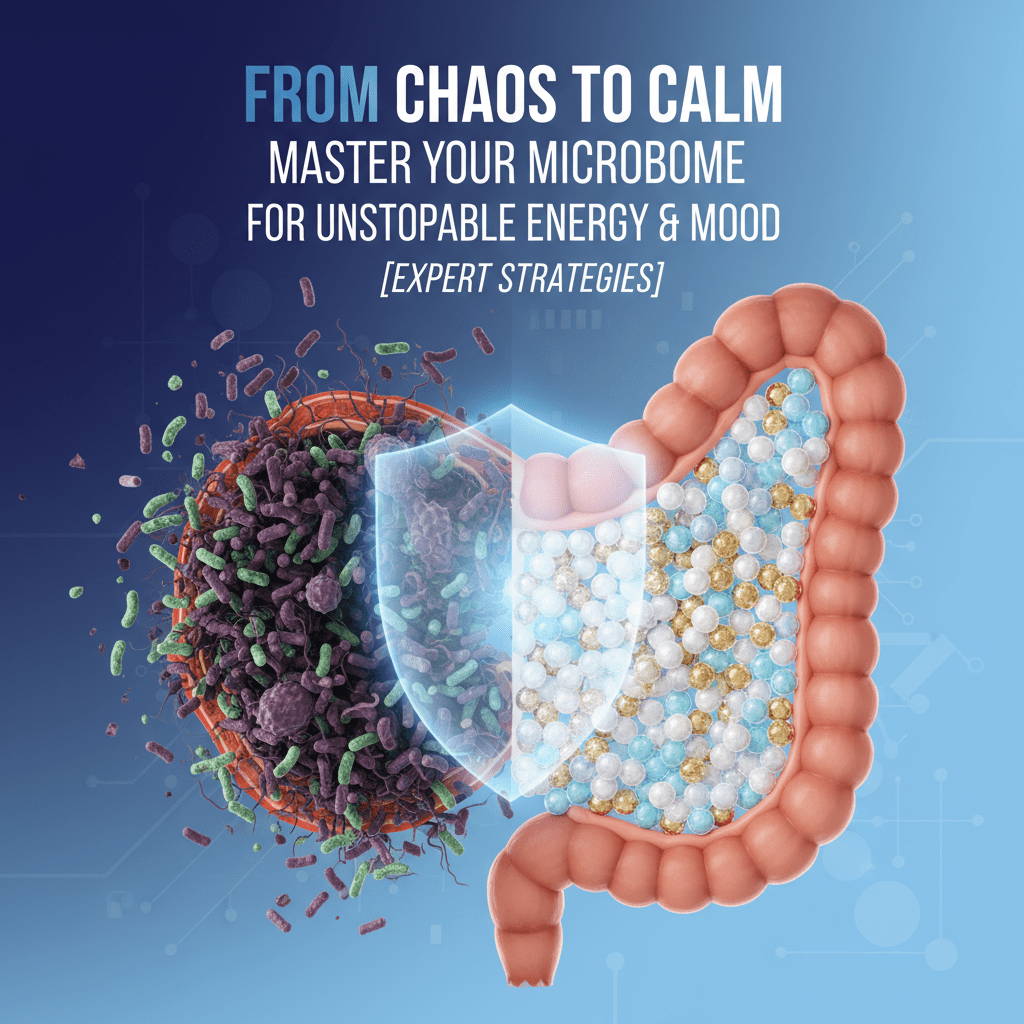
From Chaos to Calm: Master Your Microbiome for Unstoppable Energy & Mood [Expert Strategies]
You’re not just tired, and you’re not just anxious. You might be experiencing a power outage in your biological engine.
I see it constantly in the wellness space: high-performers who sleep eight hours yet wake up exhausted, or healthy eaters who feel a constant, humming background anxiety they can’t shake. You’ve tried the meditation apps, you’ve cut the caffeine, but the chaos remains.
Here is the reality: The “chaos” you feel isn’t just in your head. It’s in your gut.
For years, we treated the brain and the digestive system as separate entities. But recent breakthroughs in the gut brain axis energy mood connection have shattered that isolation. We now know that your microbiome isn’t just digesting your lunch; it is actively regulating your mitochondria (your cellular batteries) and manufacturing the very neurotransmitters that keep you calm.
In this definitive guide, we are moving beyond generic advice like “eat more fiber.” We are diving into the specific, clinical-grade strategies—backed by 2024 and 2025 research—that can turn your biological chaos into unstoppable calm.
The Invisible Link: How Your Gut Controls Your “Chaos” Levels
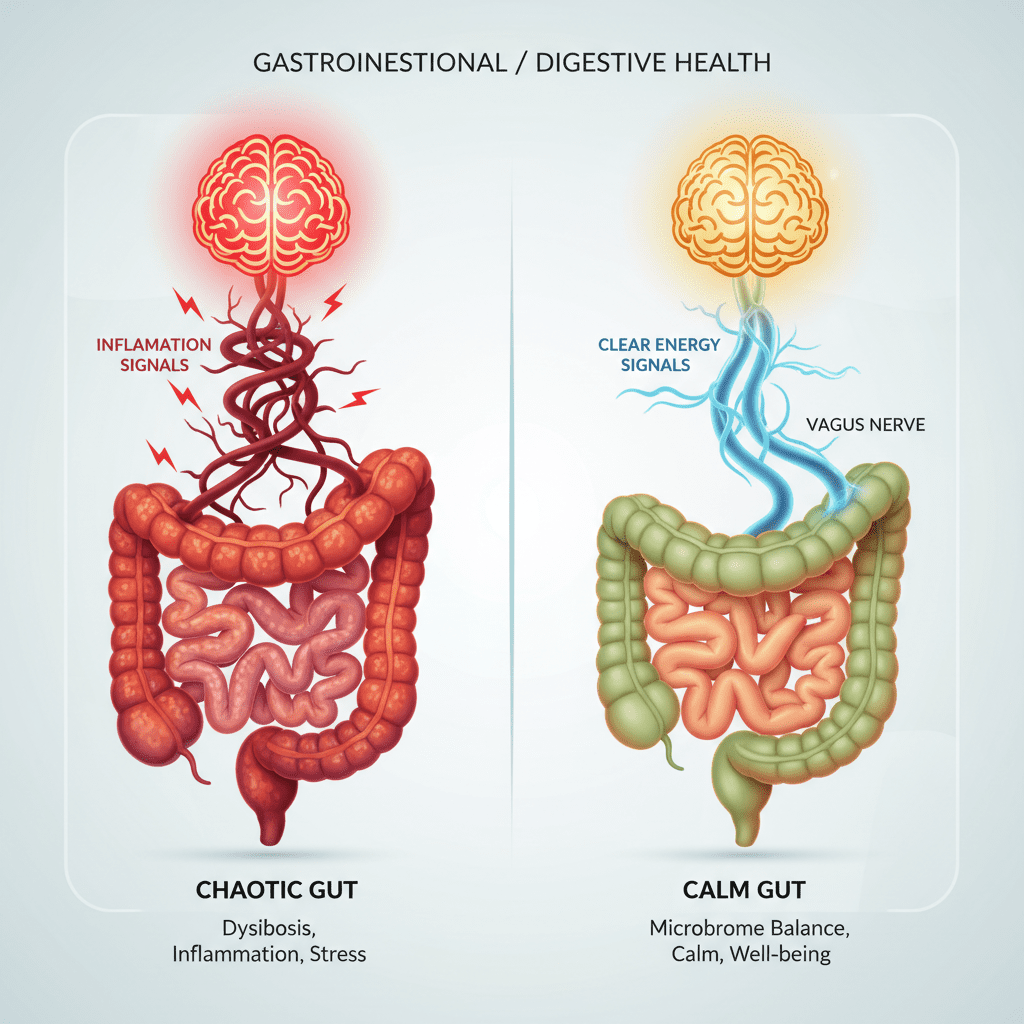
To fix the fatigue, we have to understand the mechanism. It’s not magic; it’s biology. The communication between your gut and your brain occurs primarily through the vagus nerve, a superhighway of information where 80-90% of the signals actually travel up from the gut to the brain, not the other way around.
The “Leaky Battery” Effect
Why does bad gut health equal low energy? It comes down to a concept I call the “Leaky Battery.” When you have dysbiosis (an imbalance of gut bacteria), the lining of your intestine can become permeable. This allows toxins, specifically Lipopolysaccharides (LPS), to leak into your bloodstream.
Once LPS hits your blood, your immune system triggers systemic inflammation. Here is the critical connection most people miss: Inflammation tells your mitochondria to stop producing energy and start fighting a war.
Recent research has solidified this link between gut bacteria and chronic fatigue. According to a 2024 study published by MDPI, persistent fatigue and “brain fog” in Long COVID patients are directly correlated with a significant reduction in Faecalibacterium prausnitzii, a key butyrate-producing bacteria. When these bacteria drop, your energy drops with them.
The Mood Manufacturer
If you are relying solely on your brain to produce happiness, you are working with only 5% of your capacity. It is a staggering statistic that changes everything about how we treat mental health.
According to gastroenterologist Dr. Will Bulsiewicz, speaking on the Live Well Be Well podcast in May 2024, “Your gut is not Las Vegas. What happens in the gut does not stay in the gut. 95% of your serotonin is produced there.”
If your gut is inflamed, that production line shuts down. The result? Anxiety, irritability, and a mood that swings wildly regardless of your external circumstances.
The Science of “Calm”: New Research on Resilience (2024-2025)
This is where it gets exciting. We used to think gut health was just about avoiding pain. Now, we know it’s about building mental resilience.
The “Resilience” Microbes
Why do some people bounce back from stress while others crumble? It might be their bacterial profile. A groundbreaking study published in Nature Mental Health in August 2024 revealed that individuals with higher psychological resilience show distinct gut microbiome activity and stronger gut barrier function. The researchers found that resilience isn’t just a mindset; it’s a biological trait supported by a diverse ecosystem.
Indoles and Anxiety
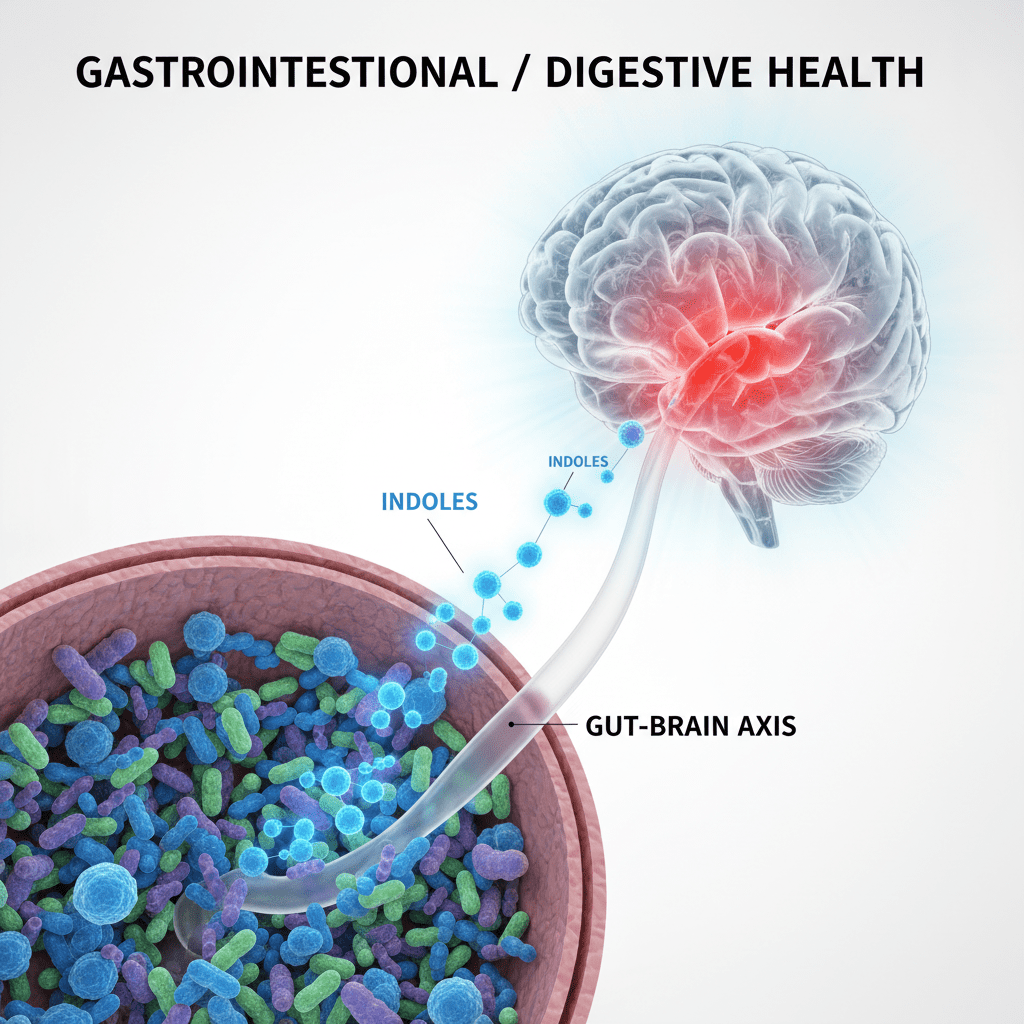
We are also identifying the specific chemical messengers involved. Breaking research from Duke-NUS Medical School released in February 2025 has identified that microbial metabolites called “indoles” directly regulate the amygdala—the brain’s fear center.
According to the Duke-NUS findings, adequate levels of these gut-derived indoles can dampen the amygdala’s response to stress, effectively chemically reducing anxiety behaviors. This suggests that “calm” is literally something you can cultivate in your colon.
Phase 1: Extinguish the Fire (Repair & Reset)
Before we can rebuild your energy, we have to stop the active damage. You cannot supplement your way out of a high-inflammation diet. If you are experiencing the “chaos” of fatigue and anxiety, the first step is a strategic removal of the agitators.
The “Remove” Protocol
The primary agents of chaos are ultra-processed foods (UPFs) and artificial sweeteners. These emulsifiers and synthetic additives act like detergents on your gut lining, stripping away the protective mucus layer and killing the beneficial bacteria discussed above.
Circadian Eating: It’s About When You Eat
Your microbiome has a circadian rhythm, just like you. The bacteria that digest your food behave differently day and night. Eating late at night forces your gut to work when it should be in “repair mode,” leading to inflammation and poor sleep quality.
To master the gut brain axis energy mood loop, try Time-Restricted Eating (TRE). Aim for a 12-hour window where you simply do not eat (e.g., 8 PM to 8 AM). This gives your migrating motor complex—the gut’s housekeeping crew—time to sweep away debris and repair the lining.
Phase 2: The “Psychobiotic” Diet (Fueling Energy)
Once the fire is out, we need to rebuild the architecture. This isn’t about counting calories; it’s about counting diversity.
The “30 Plants” Rule
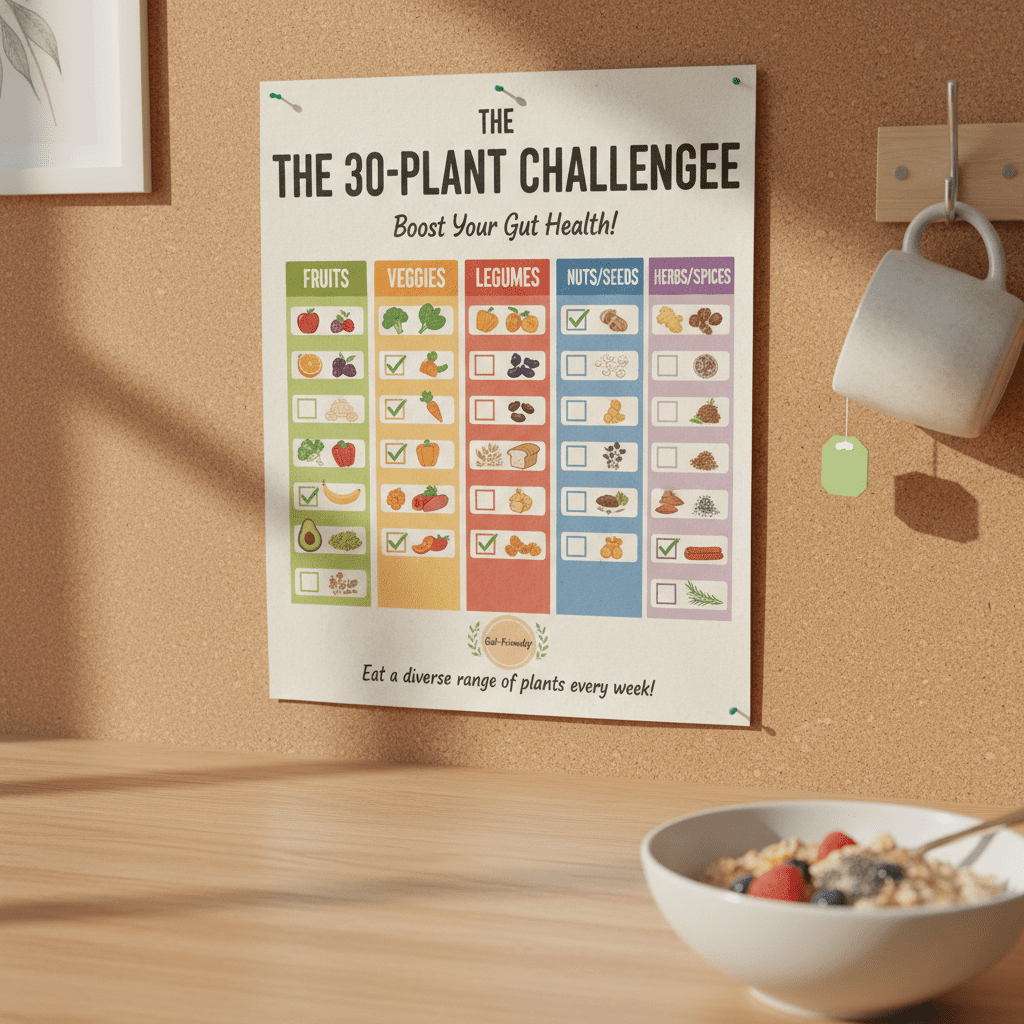
If there is one golden rule for gut health in 2025, it is diversity. According to ongoing analysis from the American Gut Project and emphasized by Professor Tim Spector of King’s College London, the single best predictor of a healthy gut is the number of different plant species you eat.
“Aim for 30 different plants a week,” Spector advises. This diversity feeds different species of bacteria, creating a resilient ecosystem that can handle stress.
What Counts as a “Plant”?
- Fruits and Vegetables
- Nuts and Seeds
- Legumes and Pulses
- Herbs and Spices (Yes, they count!)
- Coffee and Tea
Fermented Foods vs. Fiber
Should you take a probiotic pill or eat kimchi? The science is leaning heavily toward food. A pivotal clinical trial conducted by researchers at Stanford Medicine compared a high-fiber diet to a high-fermented-food diet.
The results were stunning: The group eating fermented foods (like yogurt, kefir, kimchi, and kombucha) decreased 19 inflammatory markers—including Interleukin-6 (IL-6), which is linked to rheumatoid arthritis and chronic stress—more effectively than the high-fiber group over a 10-week period. To calm the chaos, add one serving of fermented food to your daily routine.
Specific Strains for Mood (The “Psychobiotics”)
The market for microbiome solutions is exploding—projected to reach $6.47 billion by 2032 according to a September 2024 report by CosmosID. But not all probiotics are created equal. If you are supplementing, look for these specific “psychobiotic” strains backed by clinical data:
- Lactobacillus rhamnosus (JB-1): Shown to reduce anxiety-related behavior and lower cortisol levels.
- Bifidobacterium longum (1714): Clinically studied to reduce stress and improve memory function during high-pressure situations.
- Lactobacillus helveticus: Often paired with B. longum to reduce symptoms of depression and psychological distress.
Phase 3: Beyond Food – Lifestyle Signals
Food is fuel, but your behavior is the signal. You can eat the perfect diet, but if your nervous system is stuck in “fight or flight,” your digestion will shut down.
Vagus Nerve Activation
You can manually stimulate the vagus nerve to tell your body, “We are safe.” This switches your system from sympathetic (chaos) to parasympathetic (calm/digest).
- Humming or Chanting: The vagus nerve passes through the vocal cords. Low-frequency humming stimulates it mechanically.
- Cold Exposure: Ending your shower with 30 seconds of cold water increases vagal tone.
- Deep Diaphragmatic Breathing: Slowing your exhale to be longer than your inhale triggers the relaxation response.
The Social Microbiome
Here is a factor almost no one discusses: your relationships impact your bacteria. We are seeing fascinating new data on the “social microbiome.”
According to late 2024 findings from UCLA Health, married individuals or those with strong social support networks showed higher levels of beneficial tryptophan metabolites and oxytocin. The study suggests that positive social interactions physically alter the gut environment, promoting the growth of bacteria that support mood stability. Isolation, conversely, breeds dysbiosis.

FAQ: Troubleshooting Your Gut Journey
Can gut bacteria cause mood swings?
Absolutely. Because 95% of serotonin is produced in the gut, dysbiosis (bacterial imbalance) can lead to inconsistent neurotransmitter production. As Dr. John Cryan from University College Cork stated in a June 2024 interview, “If you study the brain and ignore the microbes, you do so at your own peril.”
How long does it take to heal the gut microbiome?
While every body is unique, research suggests changes can happen quickly. The Stanford study mentioned above saw significant drops in inflammatory markers within just 10 weeks of introducing fermented foods. However, for deep chronic fatigue issues, a consistent protocol of 3-6 months is often recommended.
What is the gut-mitochondria axis?
This is the communication line between your gut bacteria and your cells’ energy plants (mitochondria). When your gut is healthy, it produces Short-Chain Fatty Acids (SCFAs) like butyrate, which fuel mitochondria. When the gut is unhealthy, it leaks toxins that shut mitochondria down, leading to fatigue.
Which probiotic strain is best for energy?
While no single strain is a “caffeine pill,” strains that reduce inflammation and improve nutrient absorption indirectly boost energy. Look for Bifidobacterium infantis and Lactobacillus plantarum, which help maintain gut barrier integrity and prevent the “leaky battery” effect.
Conclusion: From Chaos to Calm
The journey from feeling chaotic, tired, and anxious to feeling calm and energized doesn’t begin in your head. It begins on your plate, and deeper still, in the microscopic ecosystem you carry with you every day.
We’ve covered the science: how inflammation drains your battery and how specific bacteria manufacture your mood. We’ve looked at the 2025 research confirming that resilience is biological and that our social lives shape our internal lives.
Now, the ball is in your court. You don’t need to change everything overnight. Start small. Add a serving of sauerkraut to your lunch. humming while you cook. Aim for that 30th plant this week. By mastering your microbiome, you aren’t just fixing your digestion—you are reclaiming your energy and your peace of mind.
The chaos is optional. The calm is waiting in your gut.