
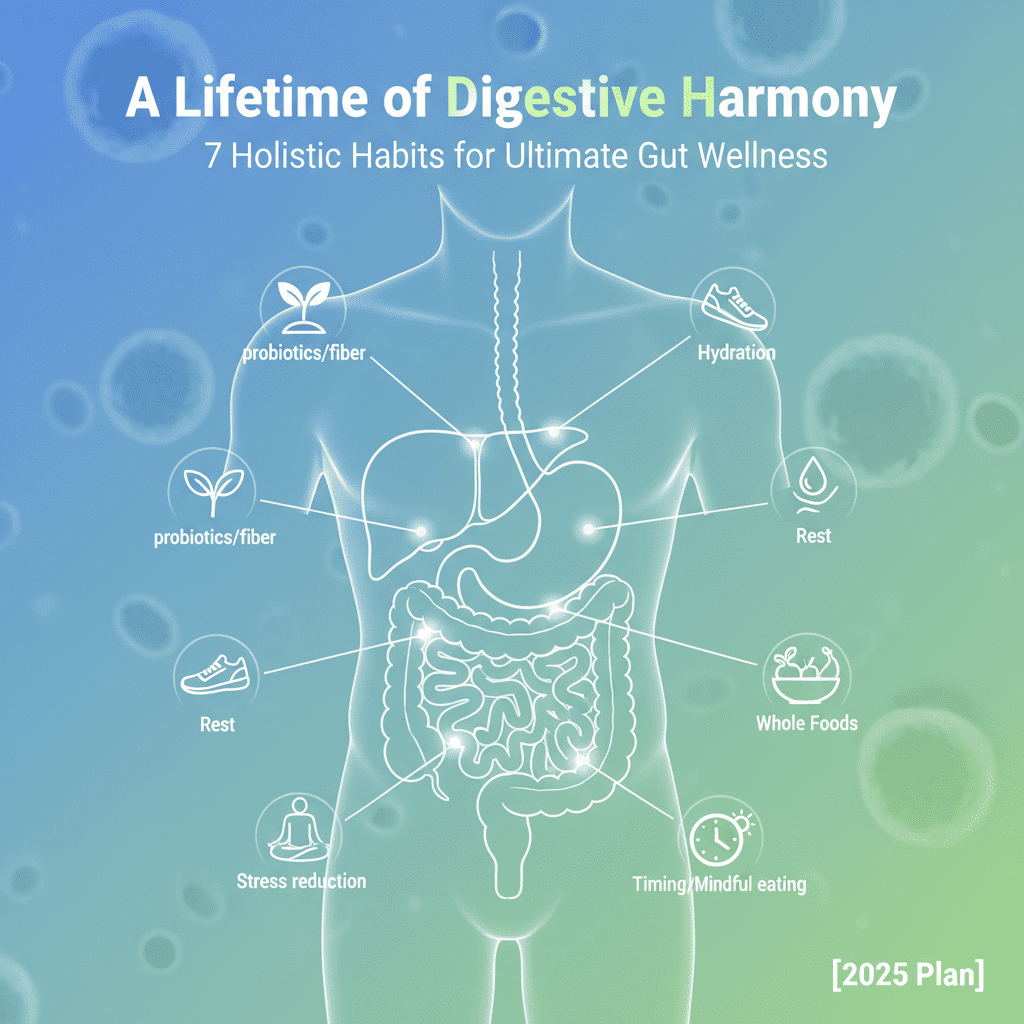
A Lifetime of Digestive Harmony: 7 Holistic Habits for Ultimate Gut Wellness [2025 Plan]
You aren’t just eating for one; you are eating for 100 trillion.
That concept changed everything for me. Years ago, I viewed my digestive system as a simple plumbing mechanism—food went in, energy was extracted, and waste went out. But after working with clients who were doing “everything right” yet still suffering from chronic bloating and brain fog, I realized the plumbing analogy was dangerously flawed.
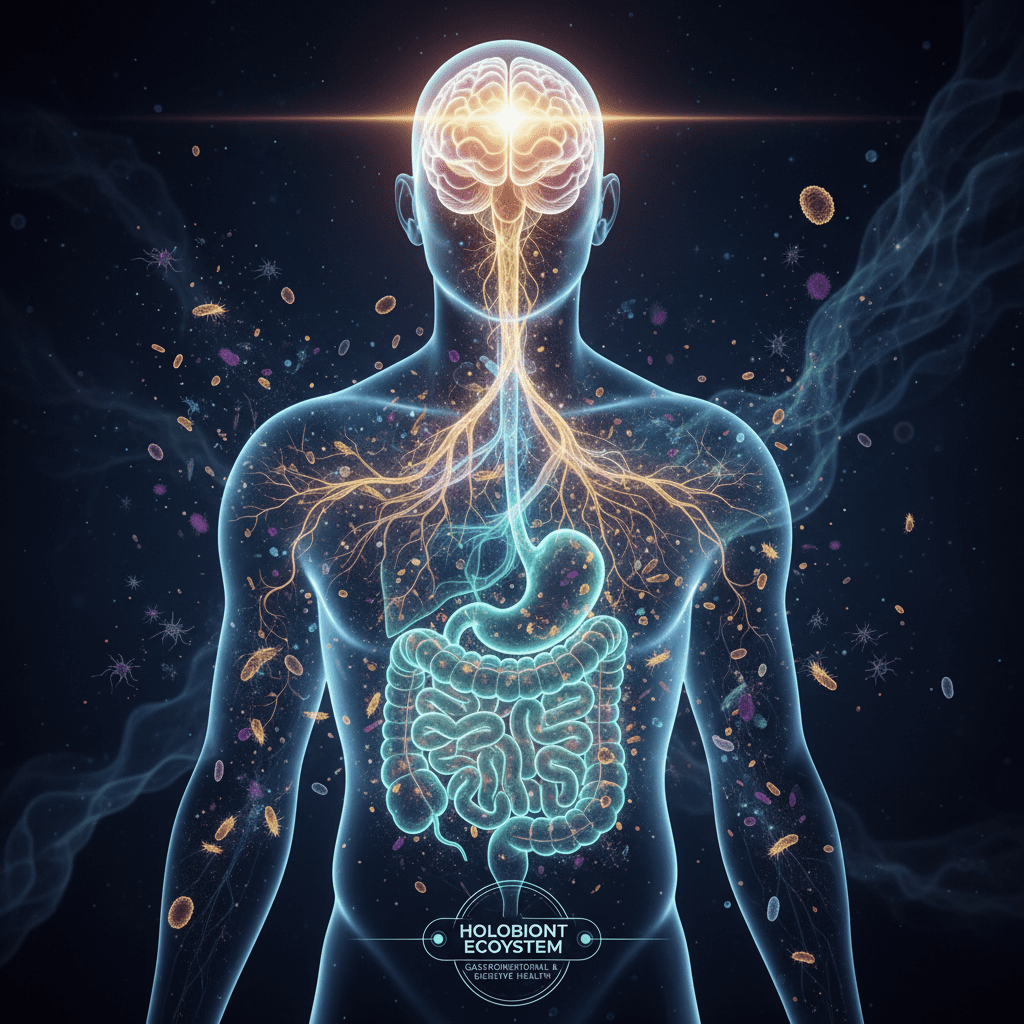
We are a “Holobiont”—a host organism sharing its life with a vast ecosystem of bacteria, viruses, and fungi. When you look at the stats, the picture becomes alarming. According to National Institutes of Health (NIH) data published in December 2024, digestive disease claims-based prevalence is now 33.2% among private insurance enrollees and rises to 51.5% among Medicare beneficiaries.
This isn’t just about an occasional stomach ache. We are facing a crisis of internal ecology. The “eat more fiber” advice of the 1990s is no longer sufficient for the complexities of modern gut dysbiosis.
In this guide, we are moving beyond generic advice. We are building a “Microbiome Reset” based on the latest 2024 and 2025 research from Stanford and the American Gut Project. This is your blueprint for moving from symptom management to a lifetime of digestive harmony.
The Science of Synergy: Why Your Gut Needs a 2025 Update
The gut health landscape has shifted dramatically. In the past, we focused on “killing the bad bugs.” Today, we understand that it’s about cultivating diversity and resilience. The global digestive health market size was valued at $52.3 Billion in 2024, according to IMARC Group’s 2024 report, reflecting a massive surge in public interest. Yet, confusion remains high.
The Gut-Brain Axis & The “Psychobiotic” Revolution
You’ve likely felt “butterflies” in your stomach before a big event. That’s the vagus nerve in action. But 2025 science proves this communication highway is busier than we thought, and it runs heavily from the bottom up.
Recent findings link our microbial health directly to our stress response. As stated by University College Cork (Nov 2024), the depletion of gut microbiota leads to hyperactivation of the HPA-axis (stress response) in a time-of-day specific manner.
“The gut microbiome doesn’t just regulate digestion and metabolism; it plays a critical role in how we react to stress, and this regulation follows a precise circadian rhythm.”
— Professor John Cryan, Vice President for Research & Innovation, University College Cork (Nov 2024)
This means if your gut bacteria are suffering, your anxiety levels are biologically primed to spike. We call the specific bacteria that regulate mood “Psychobiotics.” If you aren’t feeding them, you aren’t just hurting your digestion; you’re compromising your mental resilience.
Beyond Probiotics: The Rise of Postbiotics
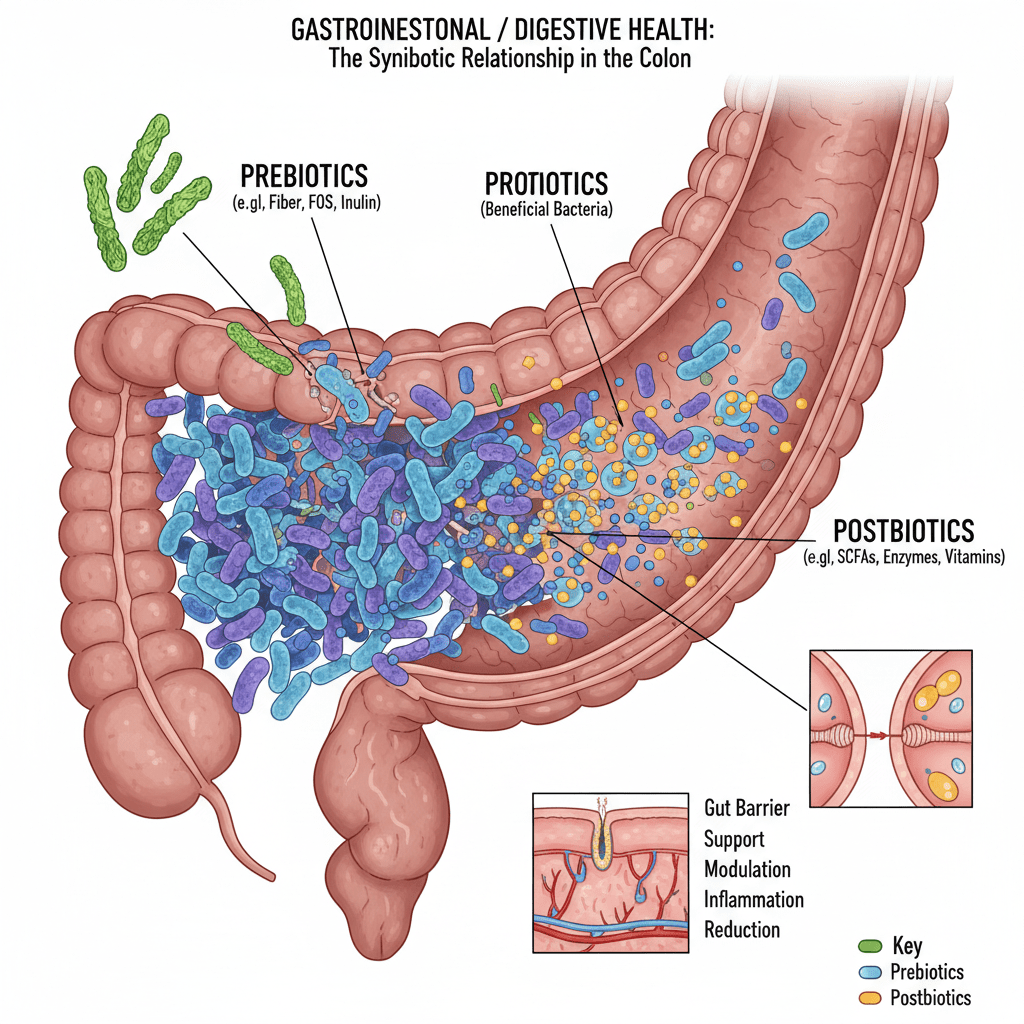
For years, probiotics (the live bacteria) were the stars. But the real magic happens *after* they eat. When your gut bacteria digest fiber, they produce compounds called Short-Chain Fatty Acids (SCFAs), such as butyrate. These are “Postbiotics.”
Think of it this way: Probiotics are the workers. Prebiotics (fiber) are the fuel. Postbiotics are the *work* they produce—the actual anti-inflammatory compounds that heal your gut lining. Your goal in 2025 isn’t just to swallow bacteria; it’s to create an environment where they can produce postbiotics efficiently.
Habit 1: The “Diversity Score” (The 30-Plant Rule)
If there is one metric to track this year, it isn’t calories—it’s diversity. The most robust data we have comes from the American Gut Project, anchored at UC San Diego.
In their analysis of over 10,000 samples, a clear pattern emerged: Participants eating 30+ unique plant types per week had significantly more diverse microbiomes and fewer antibiotic-resistance genes than those eating fewer than 10.
I know what you’re thinking: “30 plants? I barely have time to cook dinner.” But here is the secret—you don’t need 30 huge servings. You need 30 distinct *sources* of plant fiber. This includes:
- Herbs & Spices: Cilantro, parsley, turmeric, black pepper (yes, these count!).
- Seeds & Nuts: Chia, flax, walnuts, pumpkin seeds.
- Legumes: Chickpeas, lentils, black beans.
- Fruits & Veggies: The usual suspects.
Print a list of 30 blank lines. Post it on your fridge. Every time you eat a new plant species that week, write it down. If you put a teaspoon of mixed seeds (flax, chia, hemp) on your oatmeal, you just scored 3 points before 9:00 AM. Aim to fill the list by Sunday night.
Habit 2: The “Fermentation First” Protocol
Here is where most people go wrong. They decide to “fix” their gut, so they immediately start eating massive bowls of raw kale and taking fiber supplements. Two days later, they are bloated, uncomfortable, and convinced “healthy eating” doesn’t work for them.
The problem? You can’t mulch a garden that hasn’t been watered. If your microbiome is depleted, throwing high fiber at it is like throwing logs onto a dying fire—it will smother it.
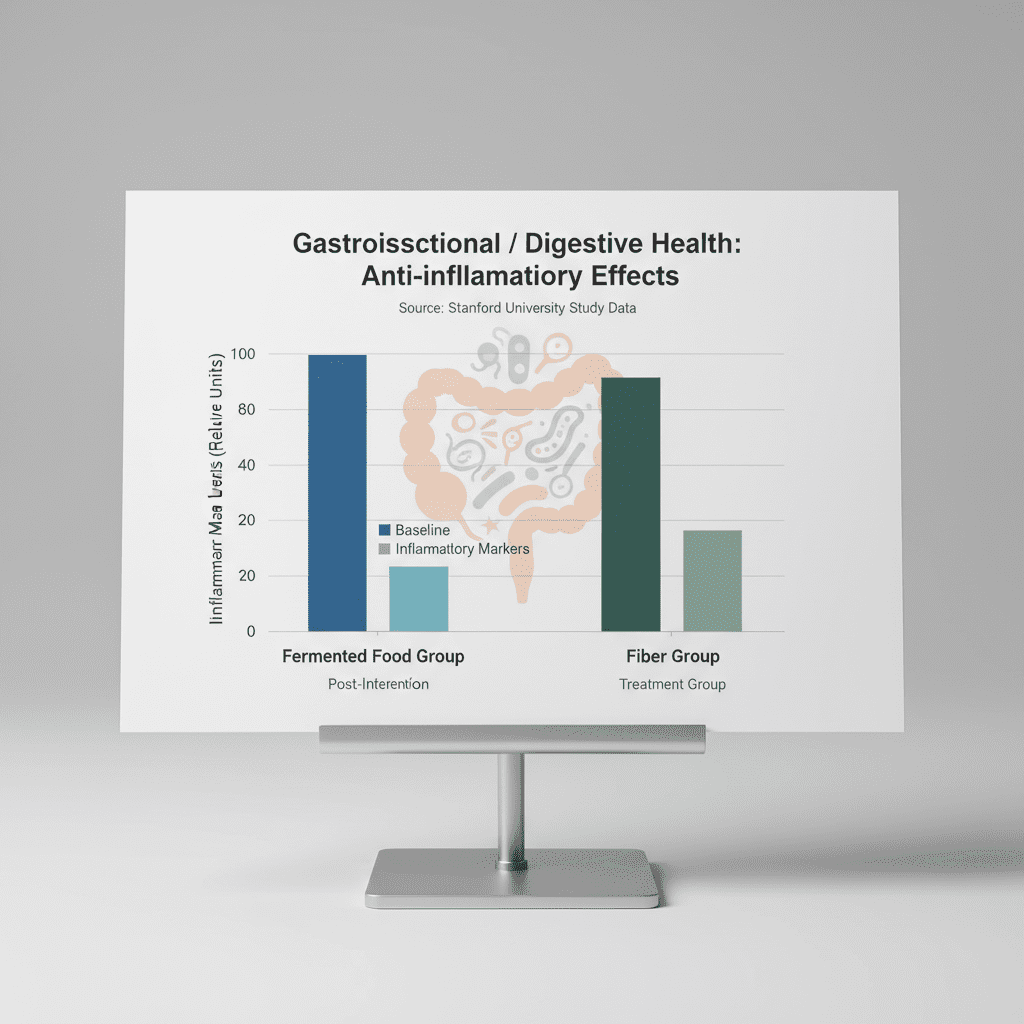
We need to look at the “Stanford Fermentation Cohort.” In a landmark study updated in discussion through 2024, researchers compared high-fiber diets against high-fermented food diets.
“The data suggest that increased fiber intake alone over a short time period is insufficient to increase microbiota diversity [in depleted guts].”
— Erica Sonnenburg, PhD, Senior Research Scientist, Stanford University
This suggests a specific order of operations: Fermentation first, Fiber second. You need to inoculate the gut with active cultures from foods like kimchi, kefir, and sauerkraut to lower inflammation *before* you ramp up the heavy roughage.
Habit 3: Chrono-Nutrition (Syncing the Gut Clock)
We often obsess over what we eat, but biology dictates that when we eat matters just as much. Your gut has a circadian rhythm, just like your sleep cycle. This is governed by the Migrating Motor Complex (MMC).
The MMC is your gut’s housekeeper. It is an electromechanical wave that sweeps through your intestines to clear out undigested food and bacteria, preventing Small Intestinal Bacterial Overgrowth (SIBO). Here is the catch: The MMC only works when you are fasting.
If you are grazing from 7:00 AM to 10:00 PM, the housekeeper never comes on shift. The debris stays, fermentation happens in the wrong place, and bloating ensues.
New 2024 research from University College Cork reinforces this, linking gut microbiota depletion to circadian disruptions. To honor your biology, you must allow for “gut rest.”
It doesn’t have to be extreme fasting. Simply stop eating 3 hours before bed and aim for a 12-hour window between dinner and breakfast. This gives your MMC roughly 4 to 5 “sweep cycles” (which occur every 90 minutes) to clean your system while you sleep.
Habit 4: Vagus Nerve Toning (The Psychobiotic Approach)
You cannot heal a stressed gut. It is physiologically impossible. When you are in “fight or flight” (sympathetic state), blood flow is diverted away from the digestive system to your limbs. Digestion halts, enzyme production drops, and the gut lining becomes more permeable (leaky).
In my experience with high-performing professionals, this is the missing link. They eat organic, fermented, perfect diets, but they eat while answering emails. Their body never enters the “rest and digest” (parasympathetic) state.
Since the vagus nerve connects the brainstem to the colon, we can physically “tone” it to force a relaxation response. This is a crucial part of the holistic puzzle.
Techniques for Vagal Tone:
- Humming or Chanting: The vibration stimulates the nerve endings in the vocal cords, which are connected to the vagus nerve.
- Cold Exposure: A splash of freezing water on the face stimulates the mammalian dive reflex, instantly lowering heart rate and engaging the vagus nerve.
- Deep Diaphragmatic Breathing: Slow exhales (longer than inhales) tell your brain you are safe.
Habit 5: The Polyphenol “Feed”
While fiber is crucial, there is a specific type of bacteria called Akkermansia muciniphila that is the guardian of your gut lining. It lives in the mucus layer and strengthens the barrier, preventing “leaky gut.”
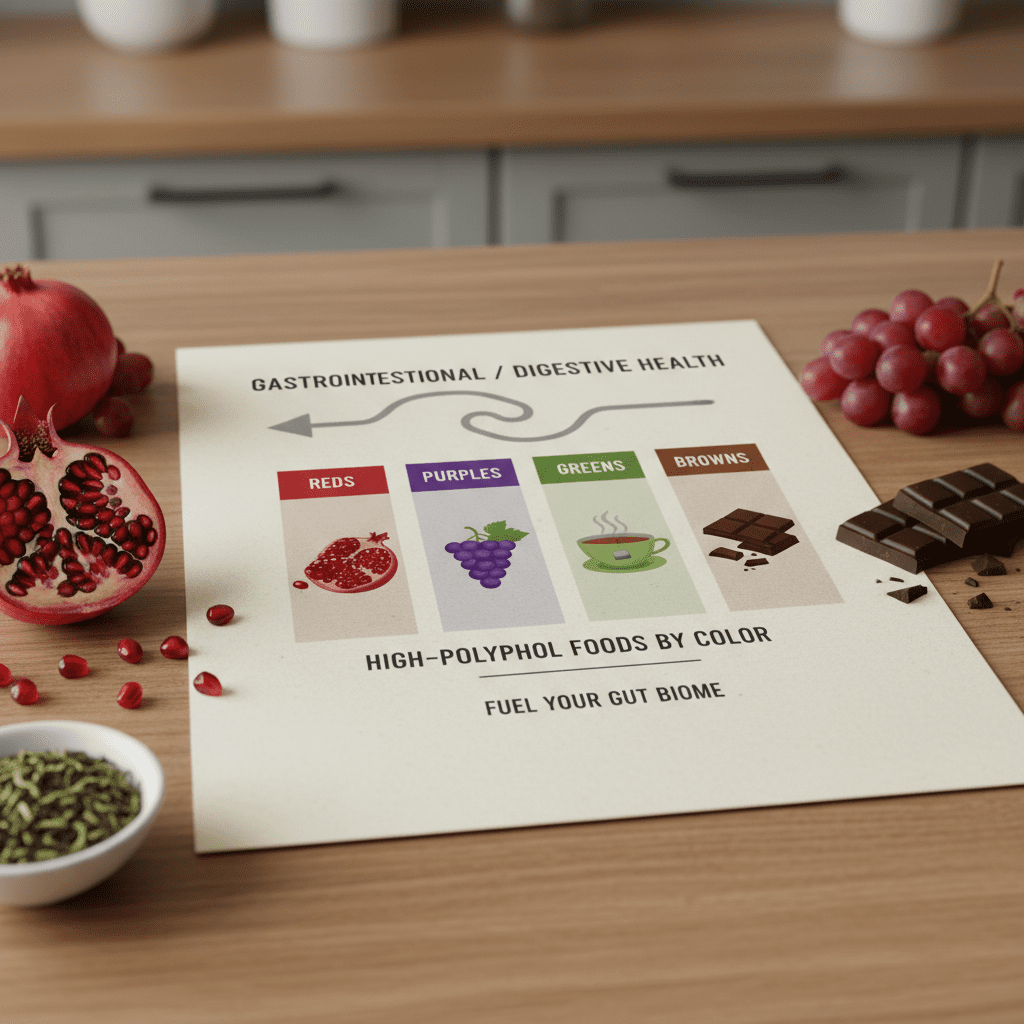
What does Akkermansia love to eat? Polyphenols. These are the compounds that give foods their dark red, purple, and blue colors.
If you stick to beige foods (bread, pasta, chicken, potatoes), you are starving your gut’s security guards. A study highlighted by the GI Alliance (2024 Report) notes that 20 million Americans suffer from chronic digestive diseases—many of which are linked to mucosal barrier degradation.
The Fix: Eat the rainbow, specifically the dark end of the spectrum. Blueberries, pomegranate seeds, purple carrots, and green tea are high-value fuel for your mucosal lining.
Habit 6: Conscious Mastication & Motility
This might sound incredibly basic, but it is where digestion fails for 50% of my clients. Digestion is a mechanical process before it is a chemical one. Your stomach does not have teeth.
When you swallow large chunks of food, your stomach acid must work overtime to break them down. If it fails, those chunks enter the small intestine, where they ferment and cause gas. Furthermore, the act of chewing stimulates the production of saliva, which contains amylase (to break down carbs) and lingual lipase (to break down fats).
The “20-Chew” Rule: Aim to chew every bite until it is liquid. It requires mindfulness. Put your fork down between bites. This simple habit can reduce bloating more effectively than many supplements because it reduces the mechanical load on the rest of the GI tract.
Habit 7: Toxic Load Reduction (The Ultra-Processed Detox)
We cannot talk about holistic health without addressing what to remove. The primary enemy of the modern gut is emulsifiers. These are additives used to keep textures smooth in processed foods (think almond milk, ice cream, and salad dressings).
Common culprits include polysorbate-80 and carboxymethylcellulose. Research indicates these detergent-like molecules can strip away the mucus layer of the gut, bringing bacteria in direct contact with gut cells and triggering inflammation.
With the annual cost of digestive diseases in the U.S. estimated at $142 billion according to Market.us (Dec 2024 Analysis), avoiding these cheap additives is a high-ROI decision for your long-term health. Read your labels. If you see “gums” or “polysorbates,” put it back.
The 2025 Daily Protocol: Putting It All Together
Information without execution is just noise. Here is how a “Holistic Gut Health” day looks when you integrate all 7 habits.
MORNING: The Awakening
- 07:00 AM: Wake up. Drink glass of water. (Habit 3: Hydration)
- 07:05 AM: Splash cold water on face. (Habit 4: Vagus Nerve)
- 08:00 AM: Breakfast containing seeds/nuts and berries. (Habit 1 & 5: Diversity & Polyphenols)
MID-DAY: The Fueling
- 12:30 PM: Lunch. Start with a side of kimchi or sauerkraut. (Habit 2: Fermentation First)
- 12:45 PM: Chew slowly, put fork down between bites. (Habit 6: Mastication)
- 01:15 PM: 10-minute walk to aid motility.
EVENING: The Reset
- 06:30 PM: Dinner with whole foods, avoiding emulsifiers. (Habit 7: Toxin Reduction)
- 07:30 PM: Kitchen closed. Fasting window begins to let the MMC housekeeper work. (Habit 3: Chrono-Nutrition)
FAQ: Solving Common Digestive Dilemmas
While diet changes can alter bacteria populations in as little as 24-48 hours, a lasting “reset” that heals the mucosal lining and stabilizes diversity typically takes 2 to 12 weeks. The Stanford study mentioned earlier saw significant inflammatory reduction over a 10-week period.
Not necessarily. Current trends in personalized medicine suggest “Colonization Resistance” exists, meaning your unique ecosystem might reject generic probiotic strains. For general diversity, fermented foods (Habit 2) are often more effective and sustainable than pills.
You should look for reduced bloating, regular bowel movements (Bristol Stool Chart type 3 or 4), improved energy levels, clearer skin, and notably, a reduction in sugar cravings. When your “bad” bacteria die off, they stop screaming for sugar.
This is a diversity strategy derived from the American Gut Project. It involves eating 30 different plant species (fruits, vegetables, nuts, seeds, legumes, herbs, and spices) every week to maximize microbiome resilience and genetic diversity within the gut.
Conclusion: Cultivating Your Ecosystem
The journey to digestive harmony isn’t about restriction; it’s about abundance. It’s about adding variety, adding fermented cultures, and adding mindfulness to your day.
By shifting your perspective from “treating a stomach ache” to “cultivating an ecosystem,” you align yourself with the most advanced science available in 2025. You are caring for the Holobiont. Remember the lesson from Stanford: start with fermentation, build diversity gradually, and respect the rhythm of your internal clock.
Start with Habit 1 this week. Pick up some new seeds, grab a different vegetable, and watch your diversity score climb. Your 100 trillion microbial passengers will thank you.